Menu
Close

Selecting life-saving emergency equipment for your business involves making critical choices about safety features and ease of use. When looking to secure the best AED for workplace protection, business owners and safety officers often struggle with deciding between semi-automatic and fully automatic models.
Sudden cardiac arrest can occur without warning in any office, warehouse, or industrial facility. Having an automated external defibrillator on-site dramatically increases survival rates when bystanders act quickly. Understanding how these devices function ensures you choose the right fit for your team.
Both types of defibrillators analyze the victim’s heart rhythm to determine if an electrical shock is required. The core distinction lies entirely in how the shock gets delivered to the patient.
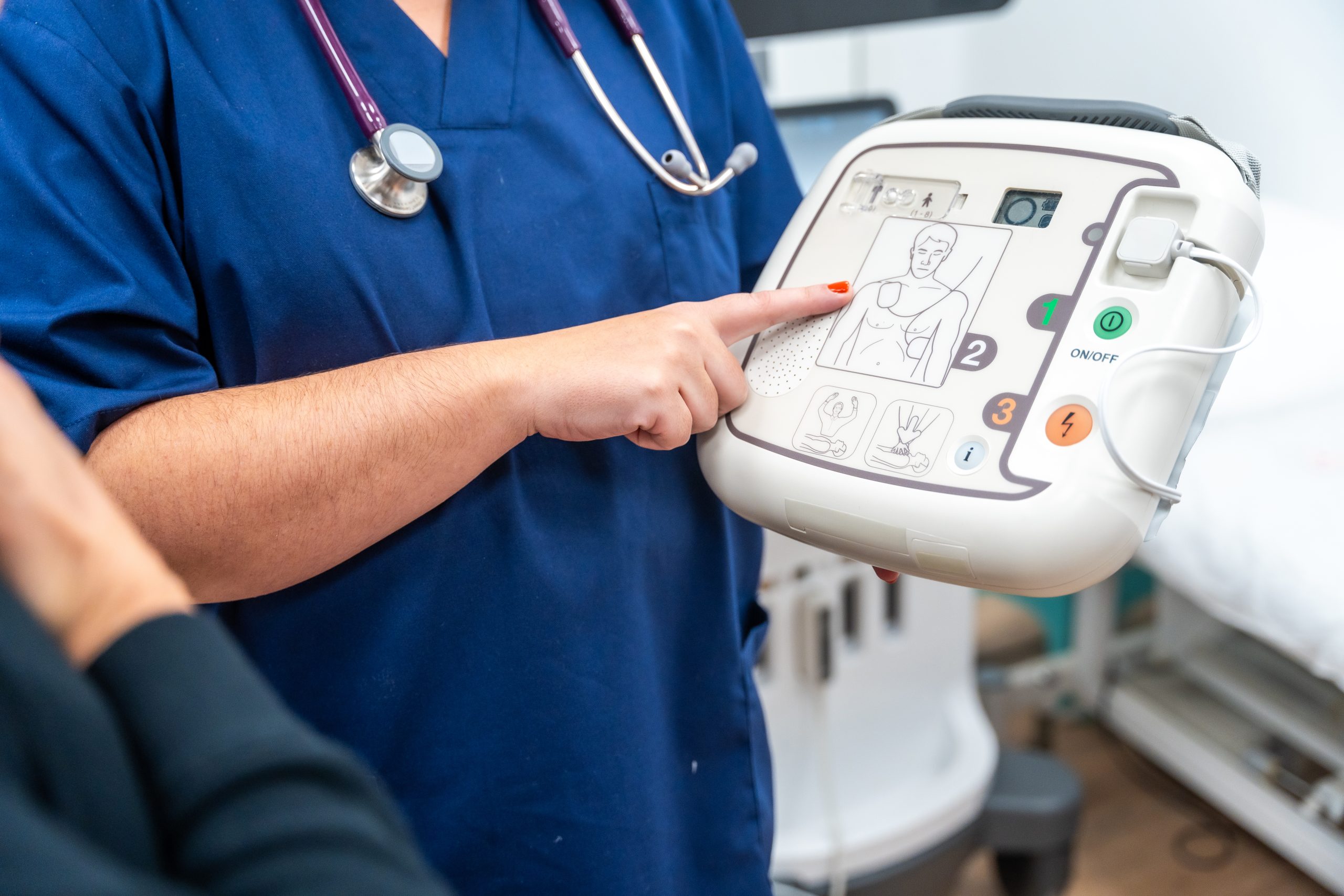
A semi-automatic AED walks the responder through every step using voice prompts and visual cues. The rescuer attaches the adhesive electrode pads to the patient’s bare chest. The machine then analyzes the heart rhythm.
If the device detects a shockable rhythm, it charges its internal capacitor. It then instructs the operator to stand clear and press a flashing shock button. The shock is only delivered when the human operator physically pushes that button.
A fully automatic AED follows the exact same diagnostic steps as a semi-automatic unit. It guides the rescuer through pad placement and analyzes the heart rhythm automatically.
The difference occurs when a shock is needed. Instead of asking the user to press a button, the fully automatic machine announces a clear verbal countdown. It warns everyone to step away from the patient and then delivers the electrical shock on its own.

Choosing emergency equipment raises reasonable concerns about human error, safety risks, and operational hesitation.
In a high-stress medical emergency, an untrained employee may experience extreme panic. This reaction can lead to a delay where the rescuer freezes and hesitates to press the flashing shock button. Every minute of delay reduces survival chances by up to ten percent.
Fully automatic models eliminate this specific bottleneck. By taking the physical button push out of the process, the machine removes human hesitation. The unit handles the delivery, allowing the rescuer to focus entirely on maintaining a clear space around the victim.
A common fear among facility managers is that a defibrillator might accidentally shock someone who is simply unconscious or deliver a shock while a co-worker is touching the victim.
Modern defibrillators built for commercial use incorporate sophisticated safeguards. The software will not charge or fire unless it detects specific lethal heart rhythms, such as ventricular fibrillation or pulseless ventricular tachycardia. Furthermore, fully automatic units issue loud, repeated voice commands telling bystanders to step back before any energy is released.
Recognizing early warning signs of cardiac events is essential for quick response times. You can learn more about identifying cardiovascular emergencies through the Heart and Stroke Foundation of Canada.
Comparing specific devices helps clarify how these features function in real-world equipment.
The HeartSine Samaritan PAD 350P Semi-Automatic AED offers an intuitive design for workplaces with designated emergency response teams. It features clear visual diagrams and audio prompts to guide users through pad placement.
For environments where laypeople or general staff members are the primary responders, the HeartSine Samaritan 360P AED Fully-Automatic delivers hands-free simplicity.
| Feature | Semi-Automatic AED | Fully Automatic AED |
| Shock Delivery Mechanism | Flashing button pushed by user | Automatic countdown & delivery |
| Rescuer Control Level | High (User determines timing) | Low (Machine manages timing) |
| Best For | Trained first aid personnel | General staff and public areas |
| Risk of User Hesitation | Moderate (User may freeze) | Low (No button decision needed) |
| Diagnostic Rhythm Checking | Automatic internal analysis | Automatic internal analysis |
Selecting the optimal unit requires evaluating your facility’s environment, layout, and personnel structure.
Consider who will likely reach the victim first during an emergency.
If your company has a dedicated safety committee, security staff, or trained occupational first aid attendants, a semi-automatic unit is a strong fit. Trained responders are comfortable pressing the shock button after verifying that no one is touching the patient.
If your facility lacks a designated response team, or if the unit will sit in an unlocked area accessed by general employees, a fully automatic model is often the better choice. It minimizes the need for prior training and removes second-guessing during a crisis.
The physical setting of your business also shapes your decision.

Buying a defibrillator is the first step in building a complete cardiac emergency response plan. Proper placement, regular inspections, and staff awareness ensure your equipment stays ready for immediate use.
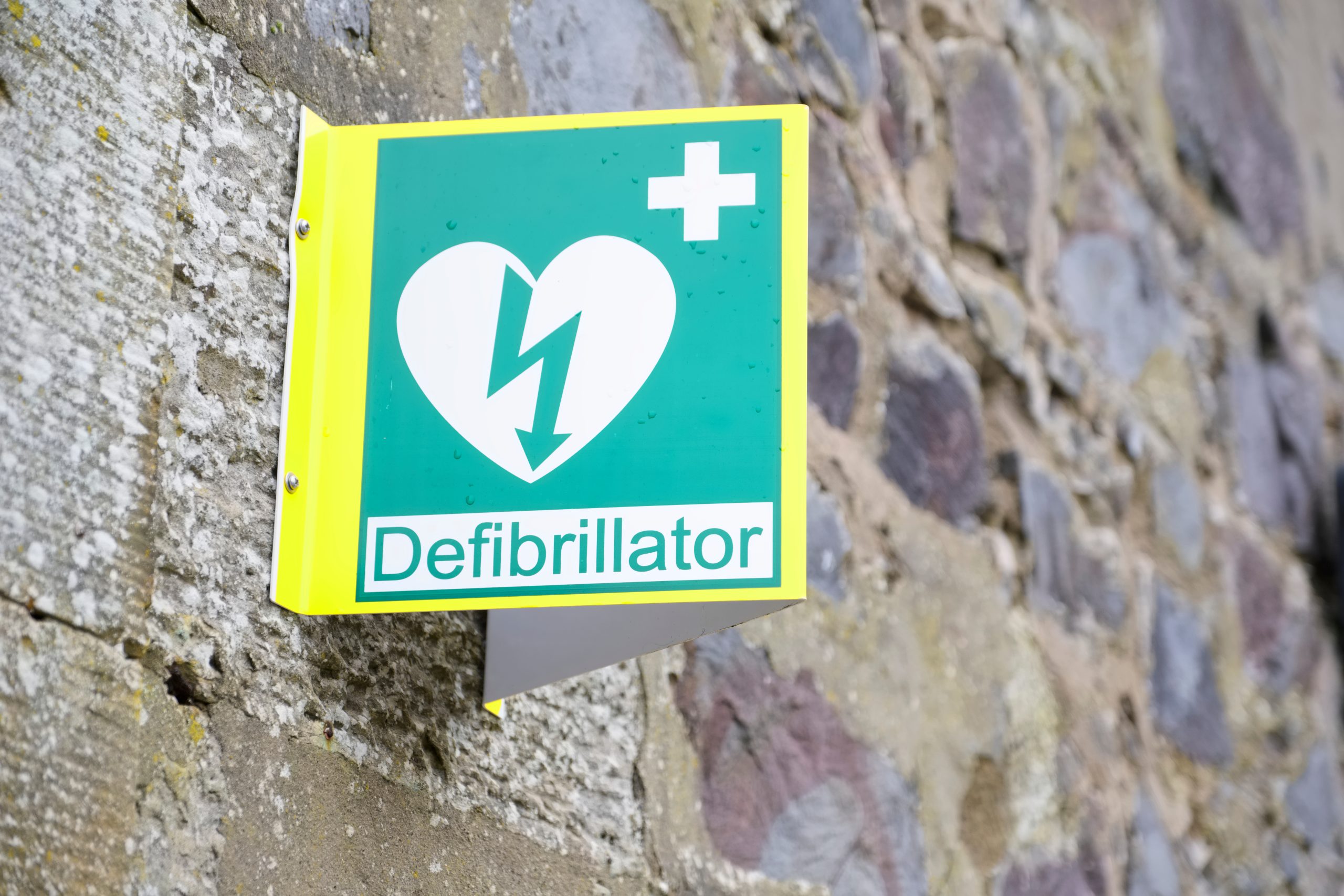
Mount your device in a central, visible location near main corridors, elevators, or reception desks. Ensure the storage cabinet remains unlocked and clearly marked with three-dimensional wall signage.
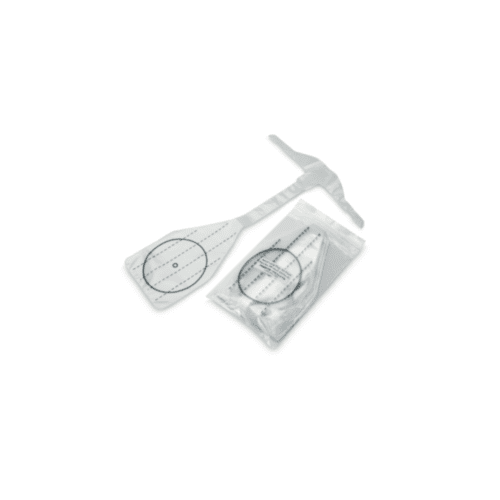
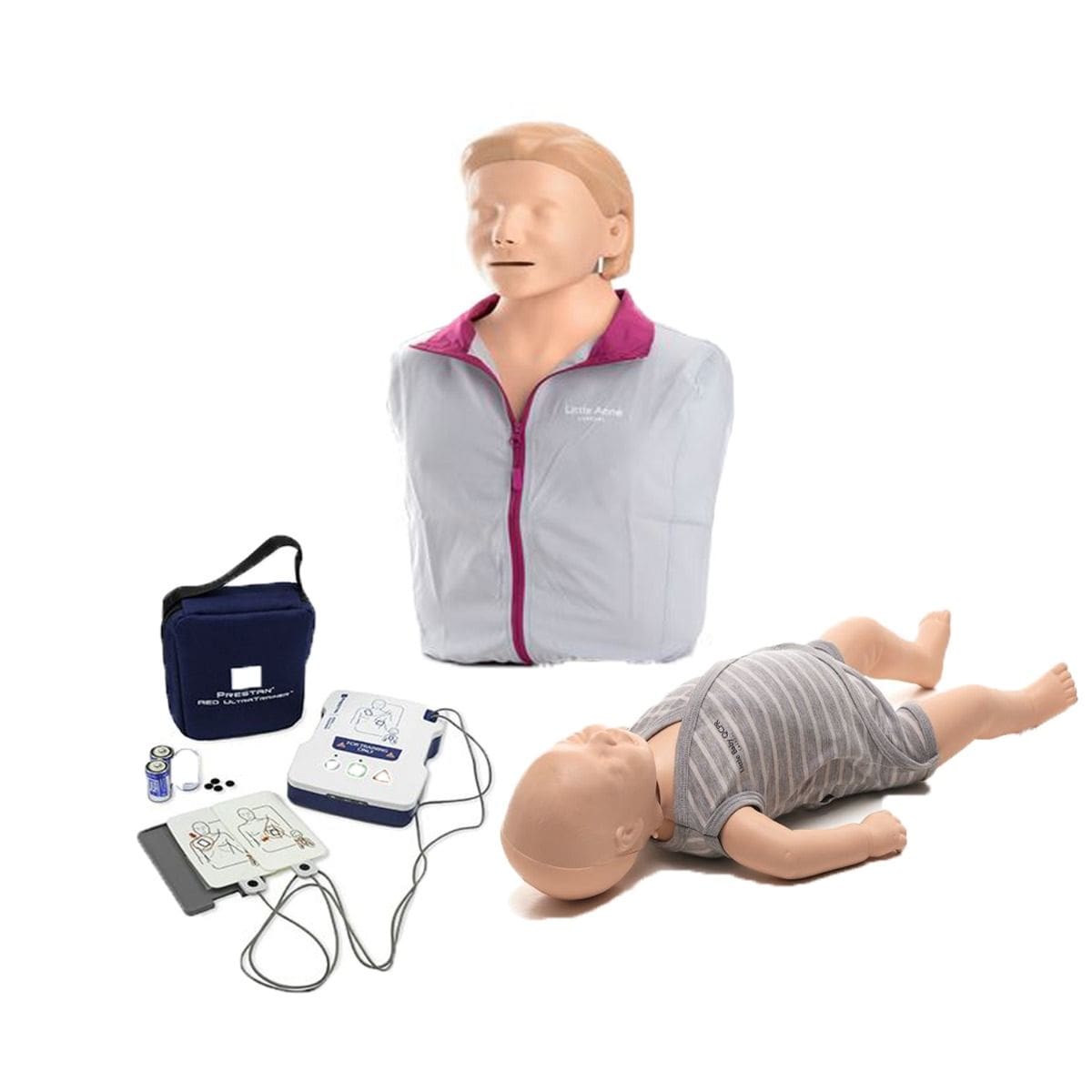
Establish a routine monthly maintenance schedule to verify the status indicator light, check expiration dates on pads and batteries, and confirm that emergency supply kits remain fully stocked.
Ready to protect your facility and employees? Explore our full lineup of commercial safety equipment and request a custom quote for your business at CPR Depot Canada. Our team can assist you in selecting the ideal defibrillator, mounting accessories, and replacement supplies tailored to your provincial safety requirements.
Both device types feature built-in software safety checks. Neither machine will deliver a shock unless it detects a specific, life-threatening heart rhythm. Fully automatic units provide clear verbal warnings before firing to ensure bystanders step back.
No, an AED cannot shock a person with a normal heart rhythm or someone whose heart has completely stopped (asystole). The internal rhythm analysis system only enables shock delivery when it identifies shockable conditions like ventricular fibrillation.
A fully automatic AED is generally recommended for workplaces without dedicated medical or first aid personnel. It removes the pressure of pushing the shock button, helping untrained bystanders act without hesitation.
Canadian provincial health and safety guidelines accept both semi-automatic and fully automatic AEDs for workplace safety programs. The key compliance factor is keeping pad and battery expiration dates up to date while maintaining clear accessibility.