Menu
Close

Running a successful first aid and resuscitation training business in Canada requires strict attention to equipment standards. The Heart & Stroke Foundation of Canada enforces clear rules regarding the specific training tools you can use during certification sessions. If your equipment fails to match these parameters your students will not receive their valid certifications and your training business could face severe operational penalties.
The national policy shifts focused heavily on changing how students master lifesaving skills. National data showed that subjective observation by an instructor was not enough to confirm if a student was executing compressions properly. Because of this reality training programs now require objective electronic measurement tools.
Every training kit used for certification must track performance data through an instrumented device. The system must measure three specific vectors during every single compression cycle.
The device must display this data instantly to the student. This configuration allows the learner to correct their physical posture and pressure mid-practice.
Many older training tools feature internal spring-loaded clickers that make a sound when a student pushes down far enough. While these tools provide a quick indicator for depth they do not track the rate or chest release. A student can push deep enough to make a click sound but fail to let the chest lift completely.
Because mechanical clickers do not gather or report rate data they do not qualify as fully compliant electronic monitors. You can still use these older models for basic informational community seminars. However for official Basic Life Support or Advanced Cardiovascular Life Support programs you must pair them with electronic diagnostic sensors.
Upgrading an entire classroom inventory of training tools represents a notable capital expenditure. Many independent trainers worry that their entire current inventory will end up in a landfill. Fortunately the market has adapted to provide choices that protect your initial investments.
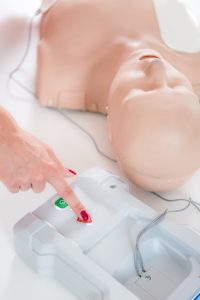
You do not always need to purchase completely new plastic frames to keep your business operating legally. Manufacturers recognize the financial strain of equipment updates so they engineered electronic add-on modules. These modules attach to older torso models to track physical movements electronically.
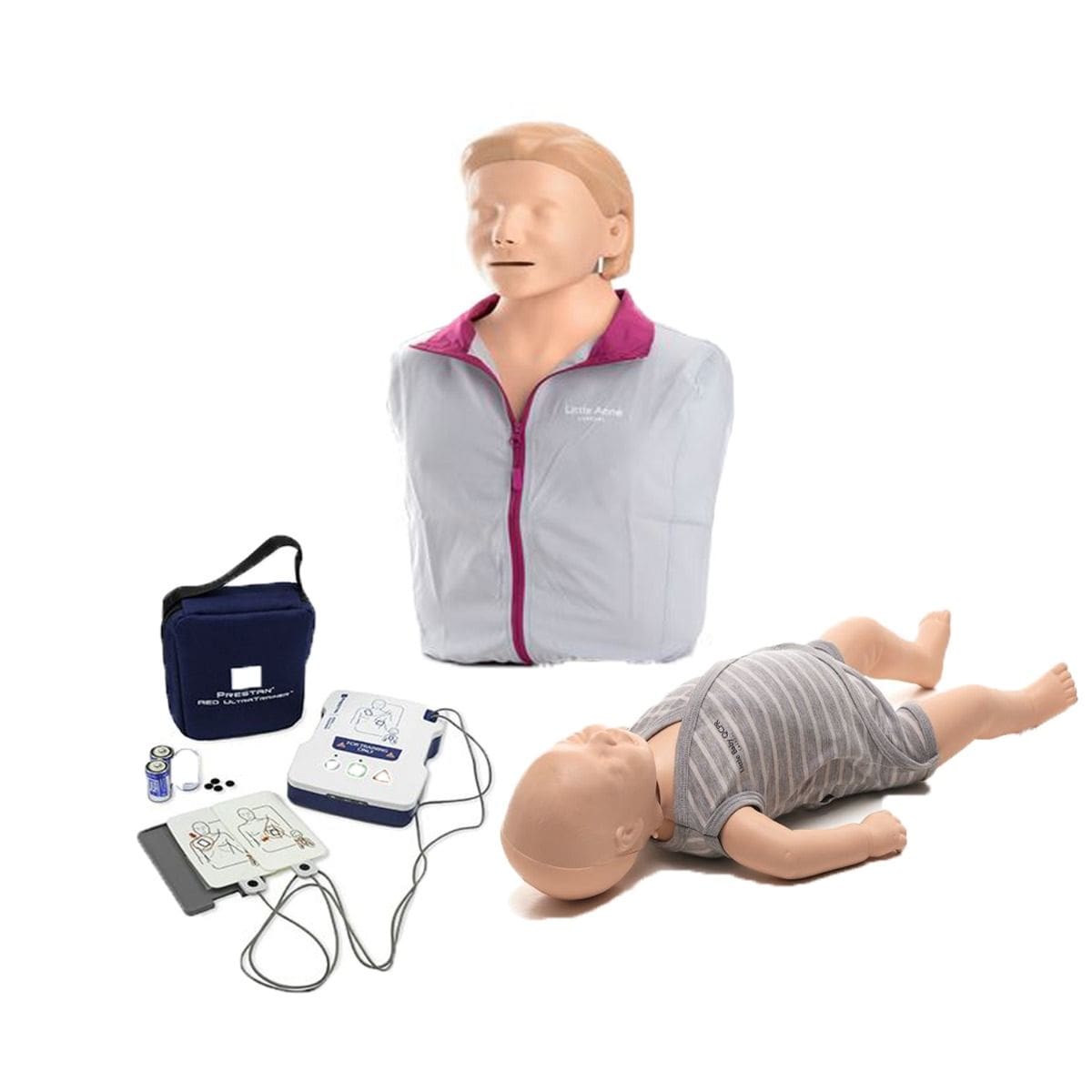
For example if you own standard Prestan adult models manufactured after 2018 you can install electronic conversion kits. These kits replace the older internal electronics and add modern Bluetooth modules. The updated sensors communicate directly with mobile digital applications to track compliance metrics perfectly. This simple change saves you a significant amount of money compared to purchasing whole new setups. You can browse affordable retrofitting options by reviewing our selection of specialized CPR accessories online.
While retrofitting works well for recent gear, older or heavily worn equipment should be completely replaced. Older plastic eventually degrades and internal springs lose their natural resistance over years of use. If your current tools show external wear or were built before 2018 retrofitting kits might not fit properly.
Investing in factory-fresh models gives you built-in compliance out of the box. Modern systems include long-lasting battery configurations and rugged electronic boards designed for high-volume classroom use. Purchasing new equipment also enhances the professional look of your training facility. Corporate clients notice when you use modern tools instead of patched older gear. When you decide to scale your business you can find the latest certified manikins directly through our specialized product portal.
The Heart & Stroke Foundation performs regular unannounced reviews of training sites across Canada. These audits ensure that every certificate issued matches the strict standards of modern resuscitation science. Falling into an audit trap can cause immediate suspension of your training credentials.
During an official inspection the representative will look at your physical classroom tools. They will check the exact number of students relative to your active electronic monitoring systems. The mandatory operational ratio is exactly one electronic feedback monitor for every single manikin in use.
You should keep original purchase invoices and electronic user manuals filed safely in your office. If you utilize retrofitted equipment, keep the receipts for the upgrade kits alongside your older gear documentation. Showing clear proof of your inventory history demonstrates your commitment to professional compliance. It also eliminates any potential disagreements during your formal review process.
First aid regulations often vary between different provincial jurisdictions. To understand how these courses function across provincial borders you can read about the difference between first aid CPR guidelines to see how various training programs operate. Despite local provincial variations the Heart & Stroke standard for electronic feedback remains uniform across Canada.
Whether you instruct students in Ontario Alberta or British Columbia you must use a verified CPR manikin with feedback device during testing. Maintaining uniform equipment across your entire business makes moving between provinces simple if you expand your operations. It also guarantees that your student certifications remain valid if they move to a different province for work.
Selecting the right brand for your business depends on your typical class size and your transport needs. Instructors who travel to corporate offices need lightweight options while fixed academies often prefer heavier high-fidelity options.
The Prestan Professional Series 2000 stands out as an exceptional solution for modern Canadian instructors. This model offers advanced electronic metrics through a wireless connection to smartphones or tablets. It monitors compression depth, rate, chest release, ventilation volume, and total hands-off time simultaneously.
The accompanying software application allows a single instructor to monitor up to six students at the same time from one digital screen. This view speeds up testing because you do not have to stand over each student with a manual stopwatch. The app records the test performance data cleanly so you can show students their exact scores immediately after they finish.
Beyond the initial torso purchase you must factor in the recurring cost of hygiene items. Lungs bags, face shields, and specialized cleaning wipes must be purchased regularly to keep your classes safe and sanitary. Using the incorrect lung bag can sometimes block the digital sensors from reading compression depth accurately.
Always purchase original manufacturer consumables designed specifically for your exact model series. Using generic third-party bags can cause false red-light readings on your electronic monitors. Keeping an organized supply cabinet prevents last-minute shipping emergencies before a major corporate training contract. Partnering with an authorized Canadian medical supplier ensures you always have access to valid certified components.
If an audit reveals you are using non-compliant gear the foundation can void all student certifications issued during that session. Repeated violations can lead to the permanent revocation of your official instructor registration.
For basic community programs or workplace hands-only demonstrations electronic feedback is highly recommended but not strictly mandatory. However for all professional healthcare provider courses like Basic Life Support electronic monitors are completely mandatory.
Mobile phone apps can only satisfy the official guidelines if they connect directly to physical sensors built inside or attached to the manikin torso. An app alone cannot measure physical chest wall recoil or exact depth accurately without internal mechanical sensors.
Prestan upgrade kits are specifically built for models manufactured in 2018 or later. You can verify the age of your equipment by checking the manufacturing date stamp located on the bottom of the torso structure.