Menu
Close

When a sudden cardiac arrest happens on the seventh floor of a busy commercial property, time works against you. According to the Heart and Stroke Foundation of Canada, survival rates decrease by 7% to 10% for every minute that passes without CPR and defibrillation. Emergency responders routinely take six to ten minutes to reach high-rise suites, making on-site defibrillators essential.
Facility managers, human resources leads, and property directors often face tough logistics when deploying safety equipment. Installing a single unit in the main entrance lobby creates a dangerous false sense of security for employees on higher levels. Following clear AED placement guidelines ensures your building occupants remain protected no matter which floor they occupy.
The golden rule for emergency cardiac response is three minutes from collapse to shock delivery. This timeline requires a responder to walk no more than 90 seconds to fetch the device and 90 seconds to return to the victim. Physical distance is rarely the only obstacle inside modern commercial real estate.
Architectural features like long corridors, heavy fire doors, and card-swipe turnstiles continuously drain precious seconds. Planning your installation around these structural bottlenecks keeps your emergency team within safe response windows.

Relying on elevators during a life-threatening medical emergency is a major operational oversight. Elevator dispatch algorithms, floor holds, and peak rush-hour traffic can easily add two to three minutes of idle waiting time.
During fires or power outages, elevators park automatically, cutting off access entirely. Responders forced to run down four flights of stairs and back up with heavy gear will quickly become exhausted. Placing defibrillators on upper levels eliminates elevator dependency altogether.
Proper placement relies on foot traffic, open access, and predictable lines of sight. Devices hidden inside locked manager offices or deep within private suites remain useless during off-hours or sudden emergencies.
Positioning emergency hardware in public view builds awareness among staff and visitors alike. Every tenant should recognize where safety equipment lives during their normal daily movement.
Mount your units along primary horizontal and vertical travel routes. Ideal locations include:
Placing units near prominent structural landmarks ensures people find them intuitively under extreme stress.
| Floor Type | Recommended Location | Access Level |
| Ground Floor | Security desk or main elevator lobby | Public / 24-7 |
| Tenant Floors | Central elevator lobby or main stairwell exit | All Floor Occupants |
| Amenities | Cafeteria entrance, gym floor, or auditorium | High Foot Traffic |
| Parking Facilities | Elevator lobby adjacent to garage doors | Public / Keycard |
Certain building areas carry elevated risk profiles due to physical exertion, high occupant density, or environmental factors. Prioritize additional equipment near:

Mounting your device correctly involves more than hanging a simple bracket on drywall. A professional commercial AED cabinet installation uses surface-mounted or recessed wall enclosures equipped with visual and audible alarms.
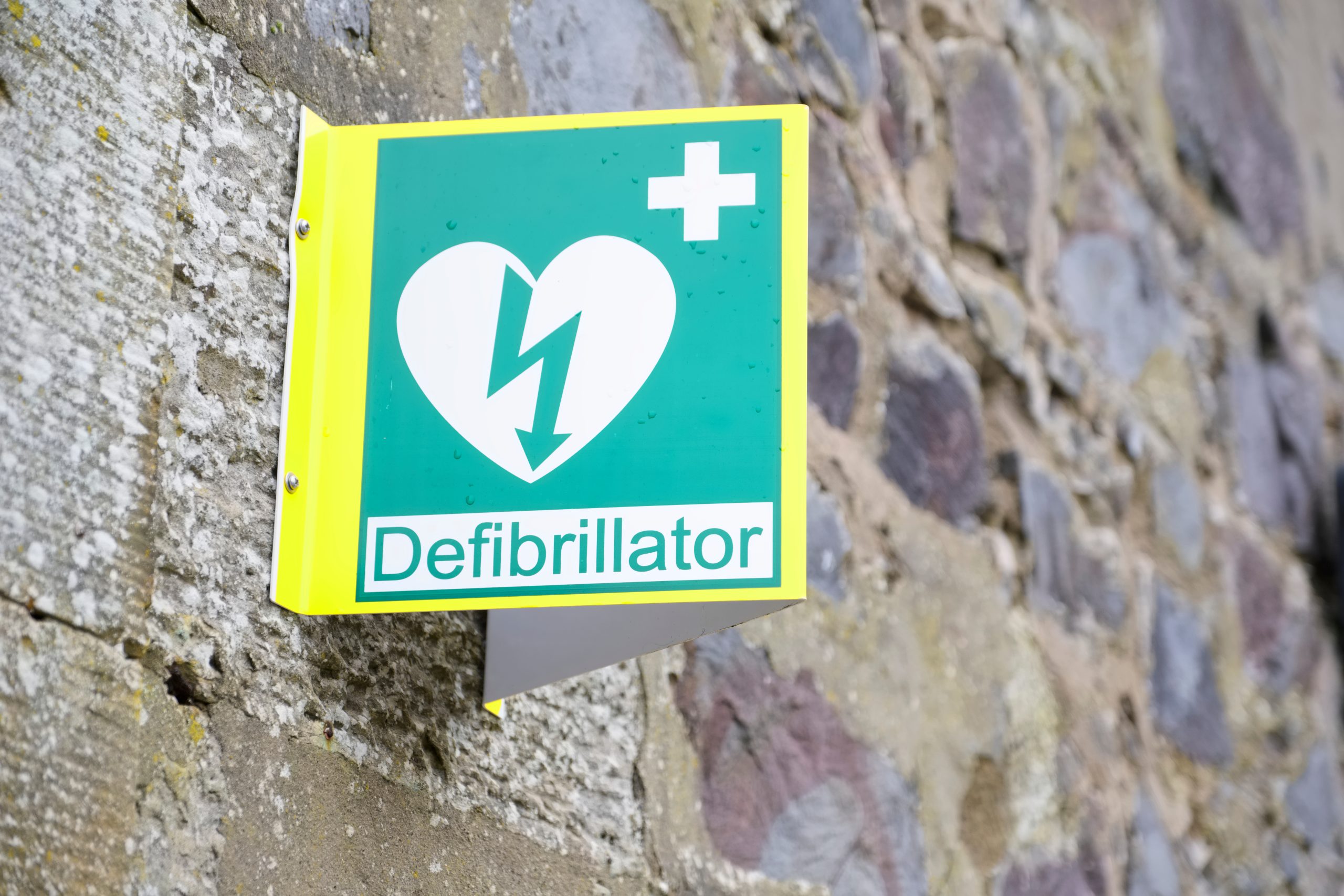
Proper cabinet height must comply with Canadian accessibility guidelines, keeping the handle roughly 120 centimeters above the finished floor. Clear 3D wall signage mounted above the enclosure allows responders to spot the station over crowded hallway traffic. You can explore available AED models suited for commercial office environments to match your building layout.
Property managers frequently voice concern over theft or tampering when mounting valuable electronics in unmonitored hallways. Locking the cabinet destroys emergency readiness, as responders cannot waste time searching for keys or codes.
Modern wall cabinets solve this dilemma by integrating local audible alarms (85–100 decibels) that trigger immediately when the door opens. These cabinets can also connect directly to your central security panel or dispatch system. The loud siren deters theft while alerting nearby staff to call 911 immediately.
Safety officers often struggle to secure budget approval for multi-unit installations. Executives frequently ask why one lobby device is not enough for a ten-story tower.
Presenting realistic spatial math helps bridge this gap for decision-makers. Demonstrating how vertical travel times exceed medical guidelines proves that single-unit installations leave upper floor occupants unprotected.
An average adult walks roughly 100 meters per minute at a fast pace. In a flat warehouse, one device covers a large horizontal area. Inside a vertical tower, doors, turns, and staircases cut that effective radius by more than half.
Frame the investment around liability reduction and workforce protection. Supporting staff wellbeing directly impacts employee retention and trust across corporate settings. For instance, recent industry discussions published by Canadian Nurse highlight how proactive workplace safety measures help protect time and retain staff in high-stress environments. Showing executives that full coverage costs only pennies per employee per month builds a compelling business case.
Multi-tenant buildings introduce unique access challenges. Keycard-protected suite doors, private corridors, and restricted floors prevent responders from moving freely across tenant boundaries.
To solve multi-tenant access friction:
A defibrillator with a depleted battery or expired electrode pads cannot save a life. Establishing a routine inspection schedule protects both your occupants and your organization’s legal liability.
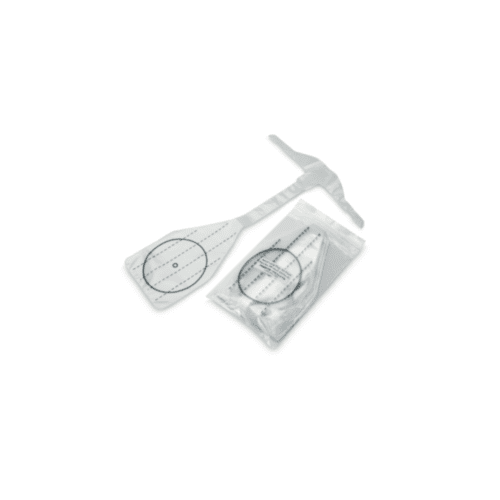
Assign a designated facility staff member to perform monthly visual checks on every unit. They must confirm the readiness indicator shows green, inspect the cabinet seal, and verify the electrode pads remain within their printed expiration date. Stocking essential AED accessories like spare pad-packs, adult/pediatric cartridges, and prep kits ensures your building stations stay fully operational year-round.
How many AEDs are required in a multi-story office building?
Plan for at least one device every two floors, provided a responder can retrieve the unit and return within three minutes. Buildings with large floor plates (over 20,000 square feet per floor) may require multiple units per level to account for horizontal walking distances.
What is the maximum mounting height for an AED wall cabinet?
Mount cabinets so the opening handle sits no higher than 120 centimeters (48 inches) above the finished floor. This ensures full accessibility for individuals using wheelchairs and complies with Canadian barrier-free design standards.
Do workplace AEDs in Canada require specialized training to operate?
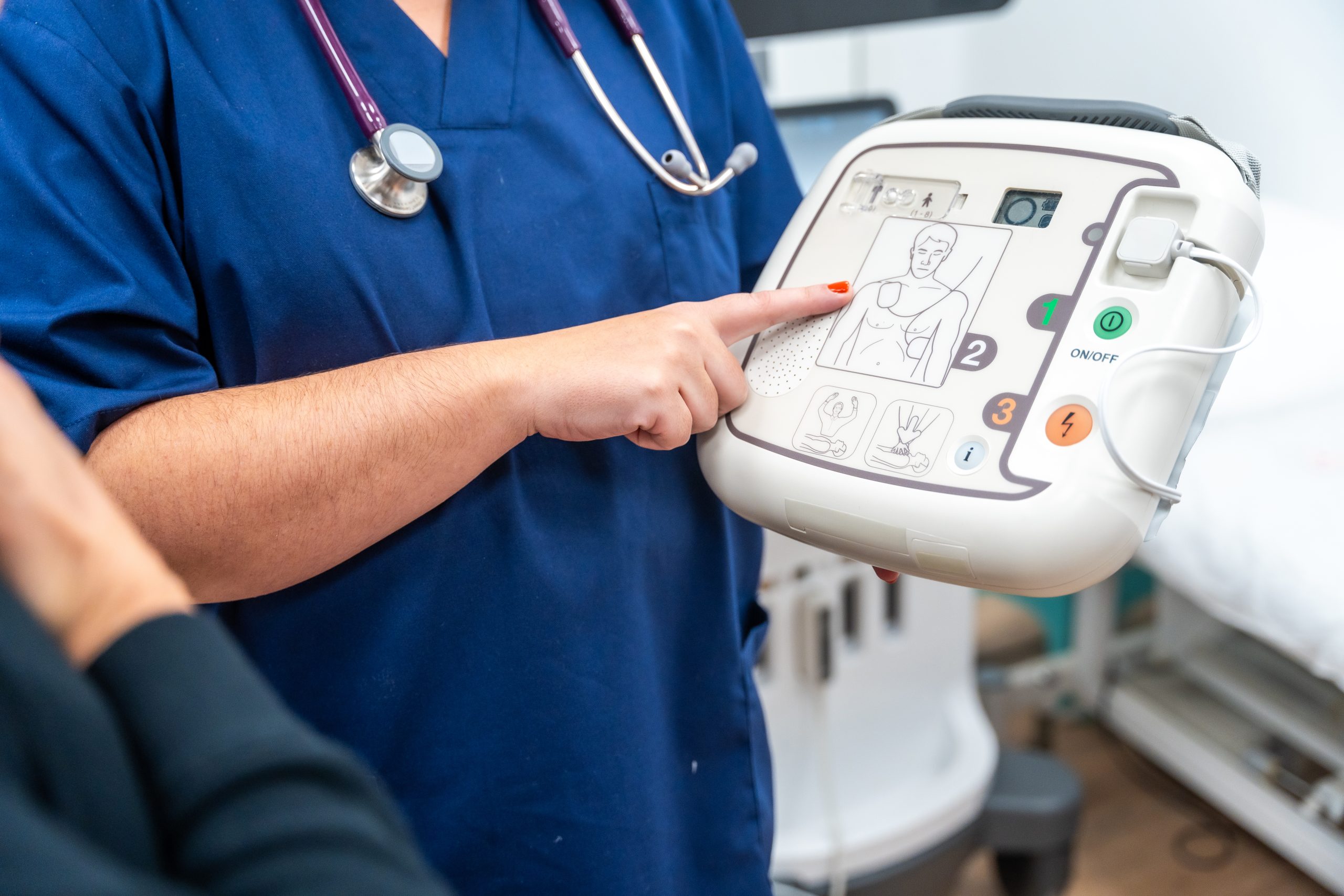
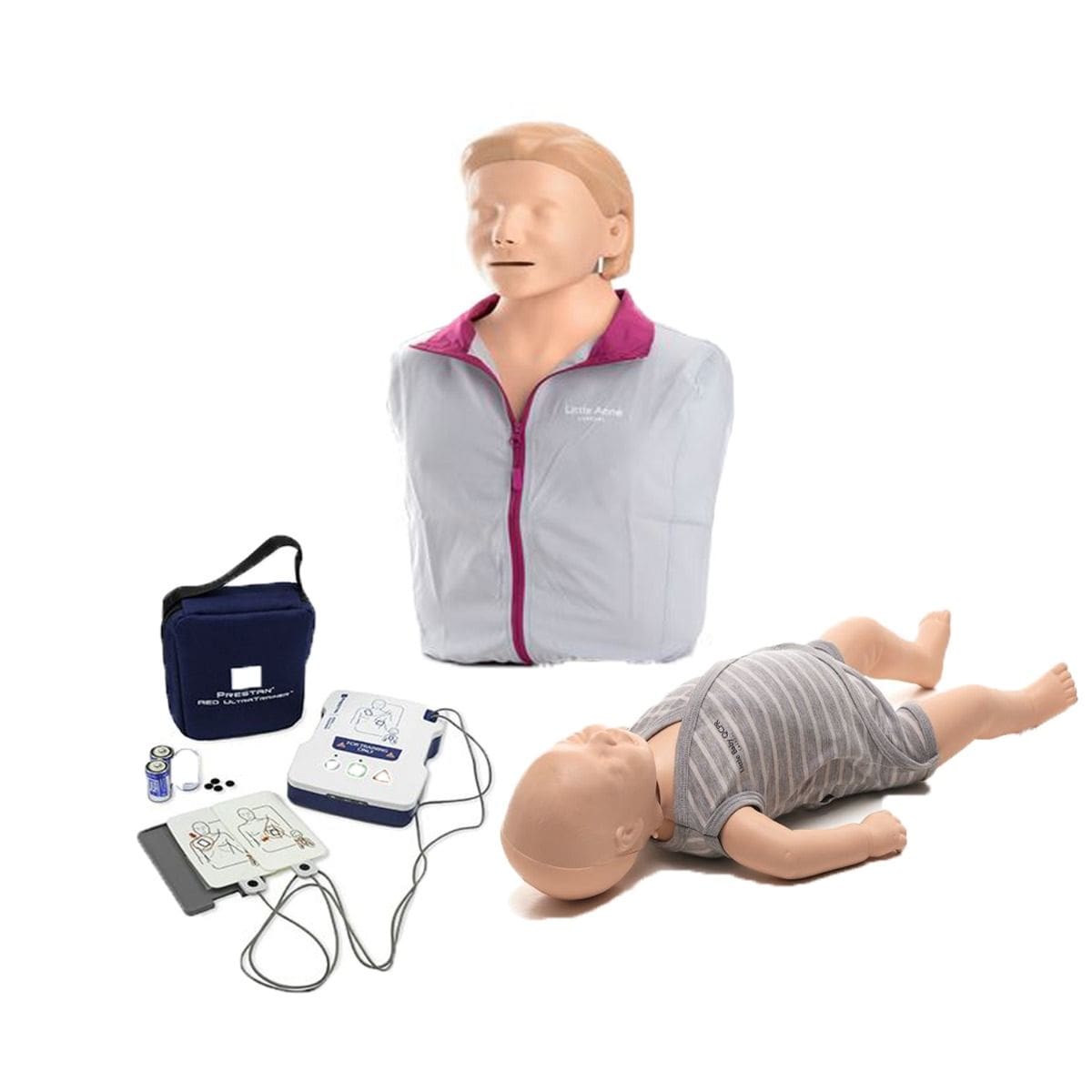
No. Modern automated external defibrillators guide users with clear voice prompts and visual diagrams. They automatically analyze heart rhythms and will only deliver a shock if the victim requires one, making them safe for lay bystanders to operate.
Can an AED be stored in an unheated garage or outdoor hallway?
No. Standard lithium AED batteries and liquid electrode gel degrade quickly when exposed to freezing temperatures. Always install units inside climate-controlled indoor environments maintaining temperatures between 0°C and 50°C, or use specialized heated outdoor enclosures.