Menu
Close

High school physical education teachers, Specialist High Skills Major (SHSM) instructors, and school board safety officers face unique operational friction when teaching life-saving skills. Preparing dozens of teenagers for emergency response requires hands-on practice, yet secondary schools operate under strict capital budgets, tight class periods, and crowded storage closets.
When a single teacher must manage 30 students in a 50-minute gym block, traditional single-manikin deployments stall. Running an efficient training program depends on selecting durable gear built specifically for rapid assembly, high student throughput, and easy multi-classroom transport.
Department heads frequently struggle to secure administrative funding for vocational and health equipment. Ordering individual adult torsos, separate pediatric models, and standalone defibrillator trainers quickly exhausts annual physical education budgets.
Stretching departmental capital requires focusing on multi-pack configurations that drive down per-student gear costs while meeting national resuscitation standards.
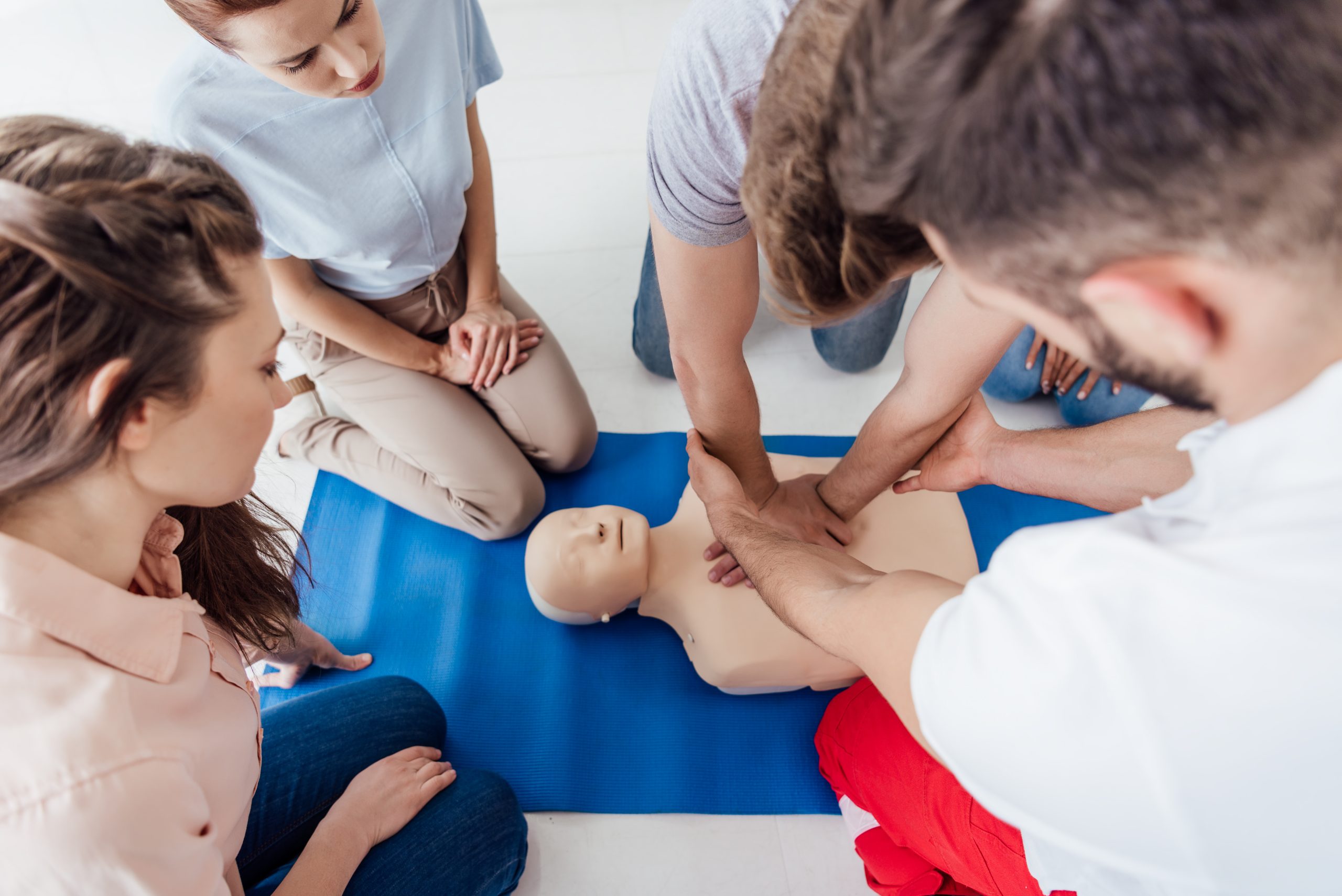
Purchasing equipment bundles allows school boards to stretch grant allocations and vocational funding significantly further. Selecting a complete Prestan Pro Adult Series 2000 Manikin 4-Pack provides four full-featured adult torsos with real-time feedback monitors at a fraction of individual unit costs.
These real-time feedback devices track compression depth and rate, keeping students engaged while satisfying Heart & Stroke Foundation CPR guidelines. Investing in four-packs establishes a 1:3 or 1:2 student-to-manikin ratio, keeping teenagers active throughout class instead of sitting idle on bleachers.
| Equipment Setup Strategy | Per-Student Gear Cost | Setup Time per Class | Student Engagement Level |
| Individual Full Torsos | High | 12 to 15 Minutes | Low (Long Wait Lines) |
| Multi-Pack Torsos (1:3 Ratio) | Moderate | 4 to 6 Minutes | High (Active Rotation) |
| Compact Stackable Torsos | Lowest | 2 to 3 Minutes | Maximum (High Throughput) |

Secondary school classrooms serve multiple purposes throughout the day. Unless your school boasts a dedicated vocational medical wing, CPR equipment must share space with basketballs, gymnastics mats, or science lab tables.
Moving heavy, awkward gear between main gym floor areas, cafeteria basements, and upstairs classrooms exhausts teachers and eats into instructional time.
Lightweight equipment designed for mobile instruction resolves space constraints instantly. Heavy full-body models belong in permanent clinical simulation labs, while stackable torsos fit neatly into small athletic supply closets.
Pairing lightweight equipment with custom Prestan carry bags and cases allows instructors to pack four adult manikins, pads, and feedback monitors into a single shoulder tote or wheeled case. A single teacher can transport an entire classroom set down hallways or between school sites without needing utility carts or extra assistance.
A standard high school period lasts 45 to 60 minutes. Once attendance, dress-change times, and final bell dismissals are accounted for, instructors often have only 35 minutes of actual instructional time.
Designing an efficient school first aid lab setup relies on stream-lined station management so students transition from lecture to physical practice within seconds.

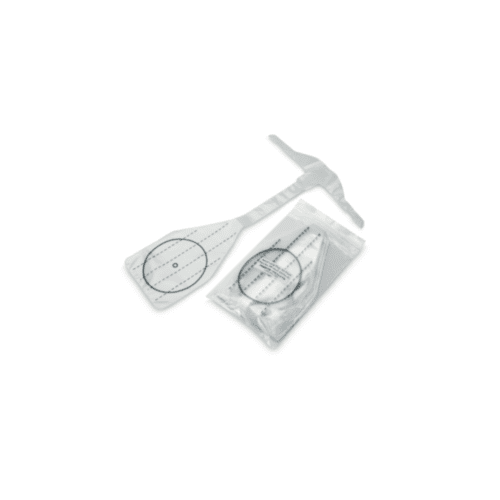
Managing hygiene across 150 students per day presents a major challenge for school health programs. Cross-contamination concerns cause friction among parents and school administrators if proper barriers are missing.
Instructors keep classes safe without wasting time by combining two protective layers:
Specialist High Skills Major (SHSM) programs across Canada require students to earn certified first aid credentials before entering post-secondary co-op placements. Meeting these curriculum goals requires equipment that matches official Canadian Red Cross and Heart & Stroke Foundation guidelines.
Supporting student belonging and career confidence in healthcare pathways begins with equal access to high-quality training tools. Recent discussions published by Canadian Nurse emphasize how early access to inclusive, hands-on clinical education helps build diverse future healthcare workforces. Outfitting high school labs with professional-grade gear gives students authentic practice that transfers directly into post-secondary nursing, paramedic, and early childhood education programs.
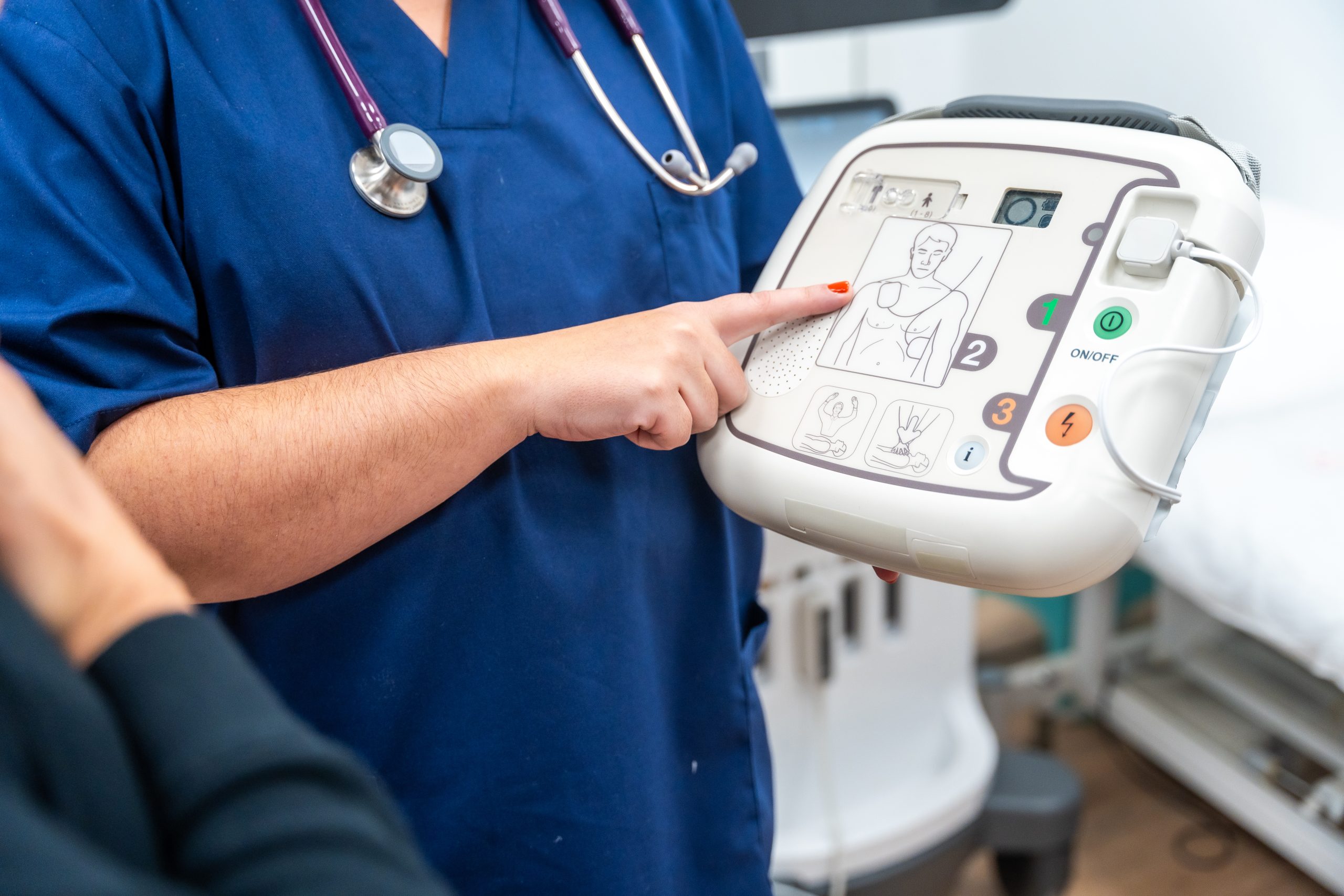
Equipping student practice stations requires a balance between realism and safety. Universal AED trainers give students hands-on experience placing electrodes and following audio prompts without delivering electrical shocks.
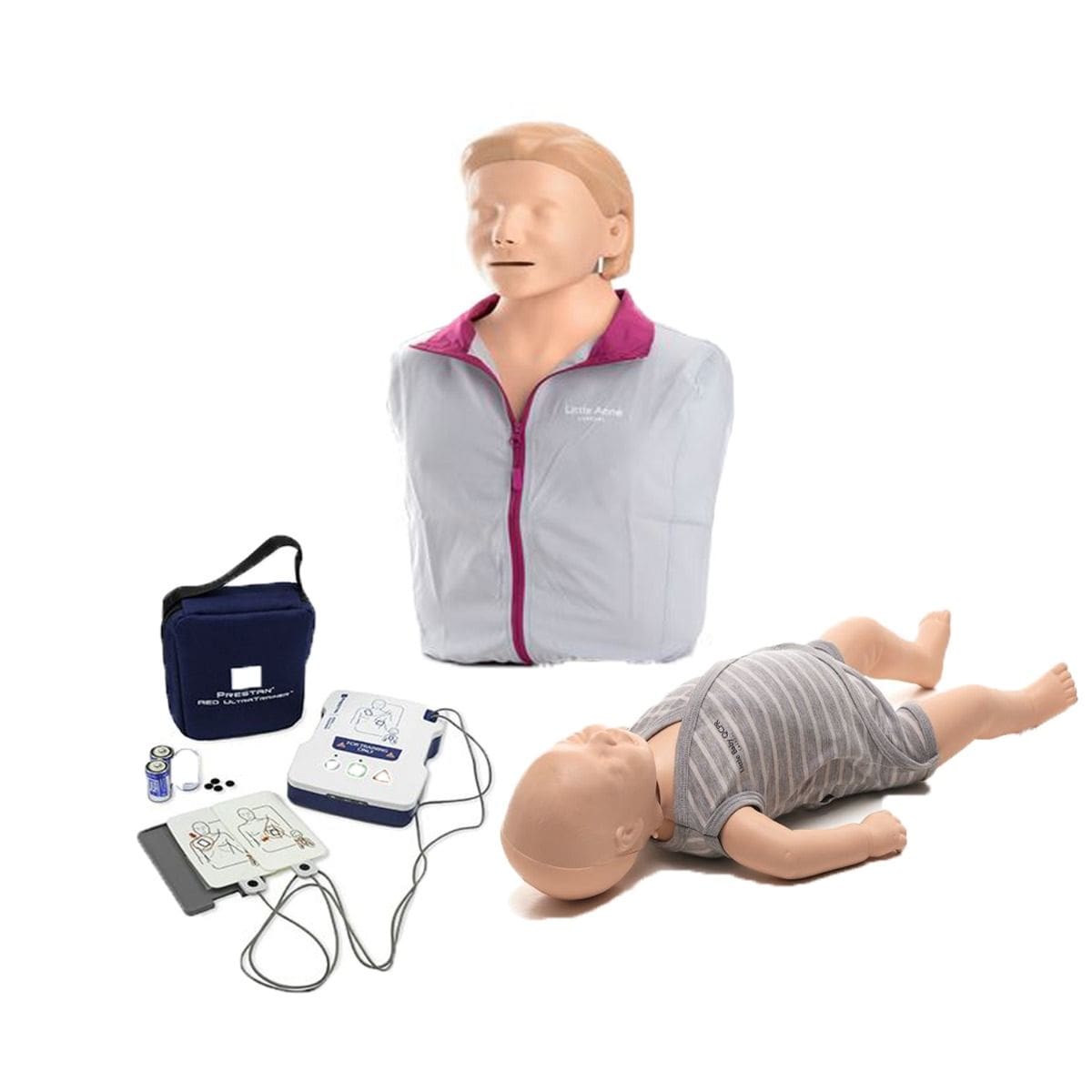
Pairing adult manikins with infant torsos allows students to practice age-appropriate chest compression depths and choking rescue maneuvers. Interactive tools like anti-choking practice vests turn dry lectures into dynamic team exercises that build lasting muscle memory.
Stocking your classroom with durable multi-packs, wheeled storage cases, and bulk sanitizing supplies keeps your training lab fully operational throughout the academic year.
What is the ideal student-to-manikin ratio for high school CPR classes?
Aim for a ratio of 3:1 or 2:1 (three students per manikin station). This ratio allows one student to perform compressions, one to manage the AED trainer, and one to observe and offer feedback before rotating, keeping every student engaged throughout short period blocks.
Are feedback manikins required for high school CPR courses in Canada?
Yes. Updated CPR training guidelines across major Canadian training bodies require real-time directive feedback devices that measure compression rate and depth. Torsos equipped with visual clickers or Bluetooth monitor apps satisfy these standards.
How do teachers keep CPR manikins clean between back-to-back class periods?
Students use individual protective face shields during practice and wipe down manikin face skins with alcohol-free sanitizing wipes between rotations. Internal disposable lung bags are changed at the end of each day or training block.
Can high school CPR equipment be stored in unheated gym closets during winter?
While manikin plastic handles cold temperatures well, electronic rate monitors, feedback sensors, and AED trainer batteries degrade quickly in freezing conditions. Always store electronic components inside climate-controlled staff rooms or indoor equipment closets.