Menu
Close

Selecting core training equipment for a Canadian medical academy, nursing program, or hospital training wing requires looking past the initial price tag. Institutional buyers face intense financial oversight while managing complex classroom logistics and technical requirements. The industry needs tools that satisfy strict regulatory bodies while surviving thousands of rigorous compression cycles every single semester.
When managing an institutional safety budget, every purchase order faces strict cross-examination by procurement committees. It can be tempting to choose lower-cost alternatives to stretch a department budget across more classrooms. However, budget models often end up costing more over a multi-year cycle due to component fatigue and material degradation.
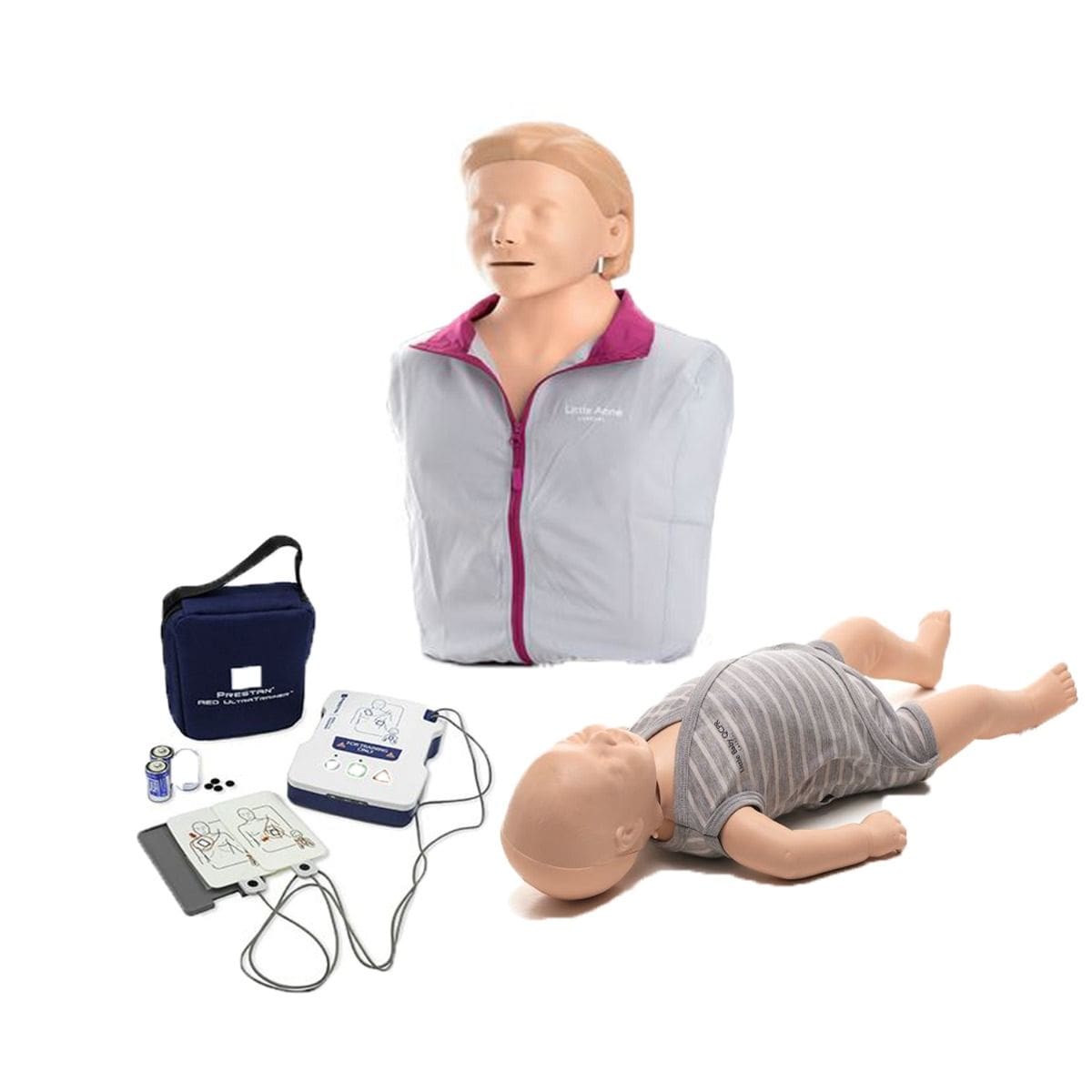
The premium pricing structure of the Little Anne QCPR frequently causes immediate hesitation during board meetings. Despite this initial hurdle, the underlying engineering utilizes specialized, high-density polymers built specifically for high-stress training environments. The internal springs maintain factory-calibrated resistance even after undergoing continuous mechanical compression during multi-day certification bootcamps.
Cheap training platforms often suffer from structural skin tearing around the neck joints or internal plastic snapping after months of heavy use. Laerdal builds their models to minimize points of mechanical failure, ensuring the outer chest skin remains intact and pliable. This robust construction means your organization avoids the constant cycle of buying replacement shells every year.
Large-scale educational programs measure the true value of their assets by calculating the total cost of ownership over a five-year period. A cheaper torso model that requires complete replacement every eighteen months quickly becomes a major drain on capital reserves. The long operational lifespan of premium gear keeps your fleet active in the classroom instead of waiting in a repair inventory.
By choosing commercial-grade models, your purchasing department can establish a stable, predictable equipment depreciation schedule. This long-term predictability allows you to allocate your remaining funds toward advanced training tools or specialized community outreach programs. To ensure your procurement choices match your specific operational goals, you can speak directly with our team through our contact page for direct institutional guidance.
Integrating digital technology into traditional lifesaving courses can occasionally introduce unforeseen technical challenges for instructional staff. Many veteran trainers worry about radio frequency interference, pairing drops, and the general stress of managing a large fleet of wireless electronic sensors.
The internal Bluetooth Smart modules built into the modern chassis are engineered to handle crowded wireless environments without dropping vital tracking connections. The companion software application allows an instructor to sync up to six student torsos to a single mobile phone or tablet screen seamlessly. The interface provides instantaneous data readouts showing exact compression depth, pace, and chest release metrics.
If your facility operates in a building with heavy wireless network congestion, maintaining connectivity requires a reliable device management routine. Instructors should update the internal firmware regularly using the official application interface to maintain connection stability. The software also features clear visual signal-strength indicators to help you quickly identify each individual student torso during the initial morning pairing process.
One of the largest hidden costs in safety education is the labor time spent remediating students who fail to hit precise compression depths. Modern learners often struggle with traditional verbal feedback methods during high-stress testing windows. The digital software resolves this issue by introducing a live visual race feature that transforms practice sessions into an engaging group challenge.
This interactive format pushes students to naturally adjust their compression rates between 100 and 120 beats per minute without direct instructor intervention. The software application logs every physical movement cleanly, allowing you to export definitive performance certificates as PDF or CSV files. This automated logging satisfies internal quality assurance requirements while giving students a clear understanding of their performance.
The real-world financial success of a commercial training facility depends heavily on rapid classroom turnaround times. If your instructional staff spends thirty minutes cleaning gear between morning and afternoon sessions, your daily course throughput drops significantly.
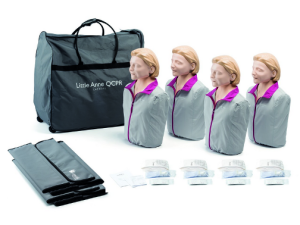
The latest structural update to this iconic training line completely changes how high-volume facilities manage physical real estate. Older product generations required bulky individual cases that filled entire storage closets or vehicle trunks. The modern design features a smart, nested frame configuration that allows multiple torsos to stack directly on top of each other.
This space-saving integration allows a complete six-pack kit to fit neatly into a compact rolling suitcase structure. Traveling instructors can load an entire classroom inventory into a small sedan without folding down seats or blocking sightlines. Inside the facility, this stackable configuration frees up valuable floor space for moving large groups through active practice scenarios safely.
Classroom hygiene is an absolute priority for modern educational institutions, especially when teaching respiratory management techniques. Instructors need to understand how to handle general emergencies across various conditions, and reviewing resources like how to first aid in heat-related emergencies shows how quickly clean safety gear can become contaminated during summer field drills. The cleaning routine for your equipment must be fast, thorough, and highly cost-effective.
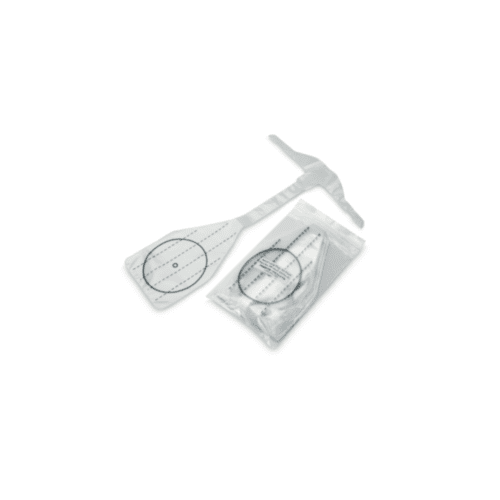
The removable facial masks and click-in disposable lung bags streamline your end-of-day decontamination procedures. Staff can remove the facial structures quickly to submerge them in sanitizing solutions while using antibacterial wipes on the non-porous torso skin. Because the lung components utilize secure internal attachment points, you avoid the common frustration of bags slipping loose mid-class and throwing off the digital sensors.
Every medical program has unique space limitations and student volumes that dictate their ideal equipment purchasing paths. Matching your inventory size to your average class roster prevents over-purchasing while ensuring no student is left waiting for a turn.
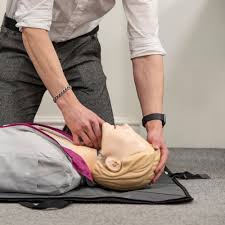
For smaller satellite clinics or specialty workplace safety offices, purchasing individual units allows for flexible, incremental growth. A single model works perfectly for private testing recertifications or small executive group sessions. This approach allows you to test the digital platform integration before committing to a larger corporate investment.
Conversely, major community colleges and regional safety franchises will find the best financial value in the complete multi-unit packages. The institutional multi-packs lower the average cost per unit while providing heavy-duty transit bags and extra consumables out of the box. You can evaluate the full technical specifications and package options by visiting our official product page for the Laerdal Little Anne QCPR manikin line.
Equipping a modern training lab involves balancing long-term durability, software features, and complex local provincial compliance guidelines. Making an uneducated choice can leave your department stuck with incompatible technology or high recurring consumable costs. Partnering with a specialized Canadian medical distributor ensures your equipment choices align with your organizational workflow.
Our professional support team understands the unique pressures facing Canadian safety coordinators and institutional buyers. We can assist your procurement department with detailed line-item quotes, bulk discount structures, and reliable shipping timelines across the country. Contact our office today to secure your inventory and protect your business against future regulatory updates.
The standard instructor app allows you to connect up to six units simultaneously on a single mobile screen. For larger institutional classes, you can utilize the classroom version of the software on compatible tablets to monitor up to forty-two units from one central interface.
The internal electronic sensors operate on standard AA alkaline batteries included with your initial purchase. The system features an automated power-down routine that extends battery life during long periods of classroom storage.
The application is fully compatible with most modern iOS and Android mobile phones and tablets. It requires Bluetooth Smart capability and runs smoothly on Apple iOS version 11 or above, and Android version 7 or above.
No, the updated stackable design utilizes a specialized click-in airway system that differs from older hook-and-loop models. You must use the specific modern consumables to ensure correct chest rise and proper sensor calibration.