Menu
Close

Starting a brand new first aid training business brings a distinct mix of excitement and financial anxiety. You possess the skills to teach life-saving techniques, but looking at product catalogs can make your head spin. New business owners often worry about spending their entire startup budget before they even book their first corporate client.
The pressure to buy every single training aid on the market can lead to severe cash flow strain. It is easy to assume you need an endless supply of high-end clinical simulators to look professional. In reality, successful training startups launch by keeping their inventory lean, efficient, and targeted.
Many beginners fall into the trap of ordering items they will not use for the first six months. They buy massive piles of special splints, advanced trauma models, or niche diagnostic tools. This capital sits in your storage room gathering dust instead of active revenue.
A smart launch strategy focuses on the exact items required to run standard certification courses. You only need the physical tools that directly satisfy your course outlines for your initial student groups. Minimizing your upfront inventory keeps your business agile and leaves cash in your bank account for marketing.
Focus on What Generates Immediate Classroom Revenue
Your initial equipment choices should focus entirely on high-demand certifications. In the Canadian marketplace, standard workplace safety courses and basic life support classes represent the vast majority of student bookings. These classes keep your schedule full and provide steady cash flow.
By tailoring your inventory to these high-volume classes, you ensure every dollar spent on equipment pays for itself quickly. You can add specialized gear later once your business builds a steady stream of profits. Focus your initial investments on multi-purpose tools that allow you to teach a wide range of basic certifications.
Navigating Canadian regulatory bodies can feel overwhelming when you buy your first batch of gear. Training providers must satisfy the strict requirements of provincial safety boards and national registries. Buying the wrong type of equipment can disqualify your training school from issuing valid certifications.
The biggest mistake a new business can make is purchasing cheap equipment that lacks modern tracking components. National guidelines require specific interactive tools that measure student performance objectively. Buying non-compliant gear means you will have to replace your entire inventory during your very first program audit.
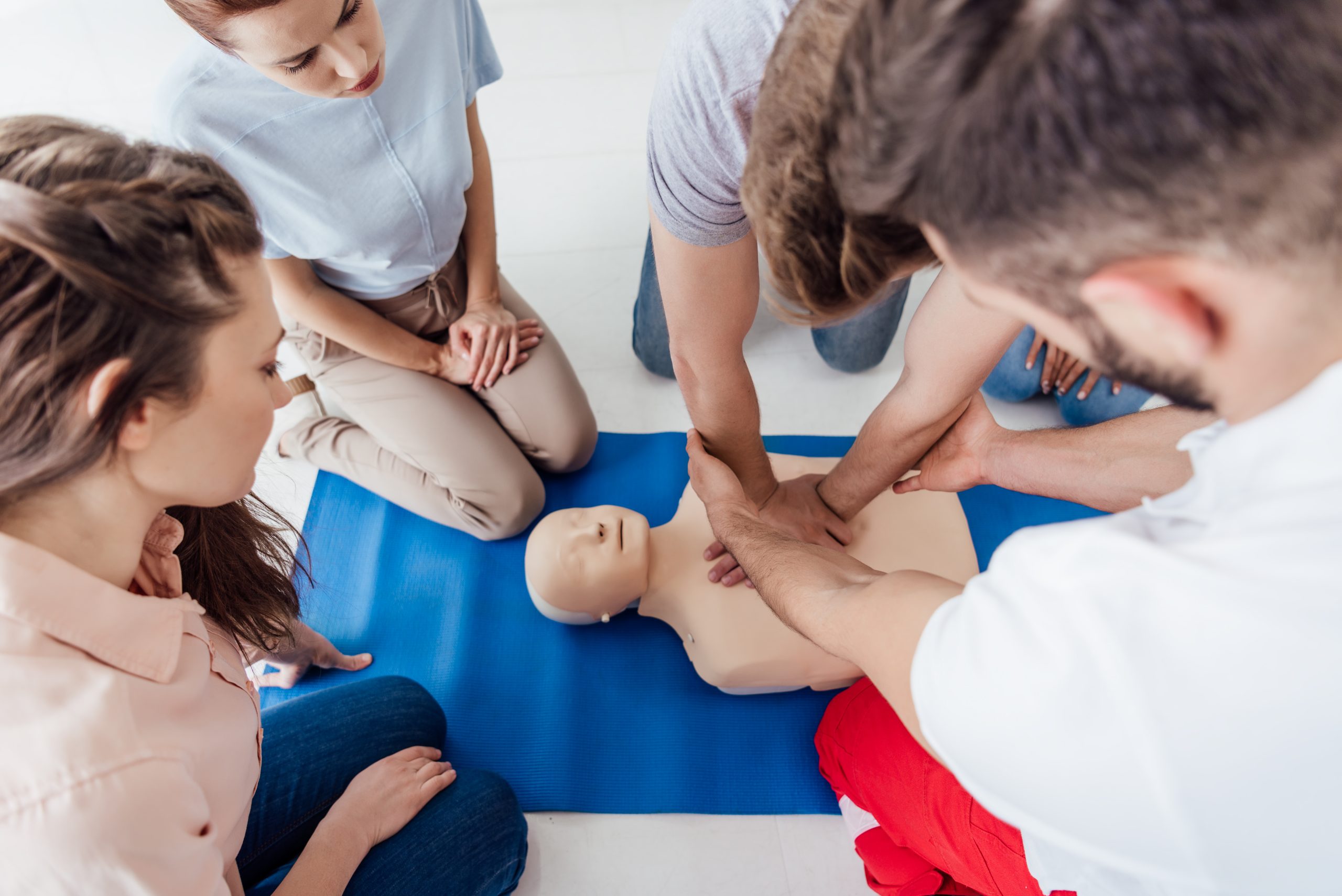
Modern safety regulations dictate that adult CPR training must use directive feedback devices. These mechanisms measure the precise depth, speed, and release of every single chest compression. They ensure students are not just guessing what two inches of depth feels like in practice.
Investing in high-quality CPR instructor packages guarantees your business meets these strict guidelines immediately. These all-in-one bundles feature built-in electronic monitors that display student performance instantly, satisfying provincial inspectors completely.
Here is that compliance section reformatted as a clean bulleted list so you can easily copy and paste it straight into your document or blog post:
Canadian Compliance Targets:
It can be tempting to buy older, used equipment from retiring instructors to save a few dollars. However, this secondhand route often turns into a financial trap for new startups. Older manikins rarely feature the electronic components required by modern training standards.
To make those older units compliant, you have to buy expensive modifications like the Prestan Adult Series 2000 manikin upgrade kit single. While these upgrade kits are perfect for modernizing relatively recent gear, trying to rebuild an entire fleet of ancient, worn-out manikins will cost you more time and money than buying a fresh bundle. New gear also comes with manufacturer warranties that protect your business from unexpected replacement costs during your critical first year.
When assembling your startup fleet, you want to focus on a balanced mix of durability and value. Your equipment will face heavy use, rough handling, and constant cleaning from hundreds of different students. Choosing robust, professional-grade items prevents embarrassing equipment failures during a live class.
The baseline setup for a standard classroom should accommodate a group of four to eight students comfortably. This size allows you to run efficient practice loops without making individuals wait too long for their turn. Here is the foundational equipment needed to teach first aid and CPR classes effectively.
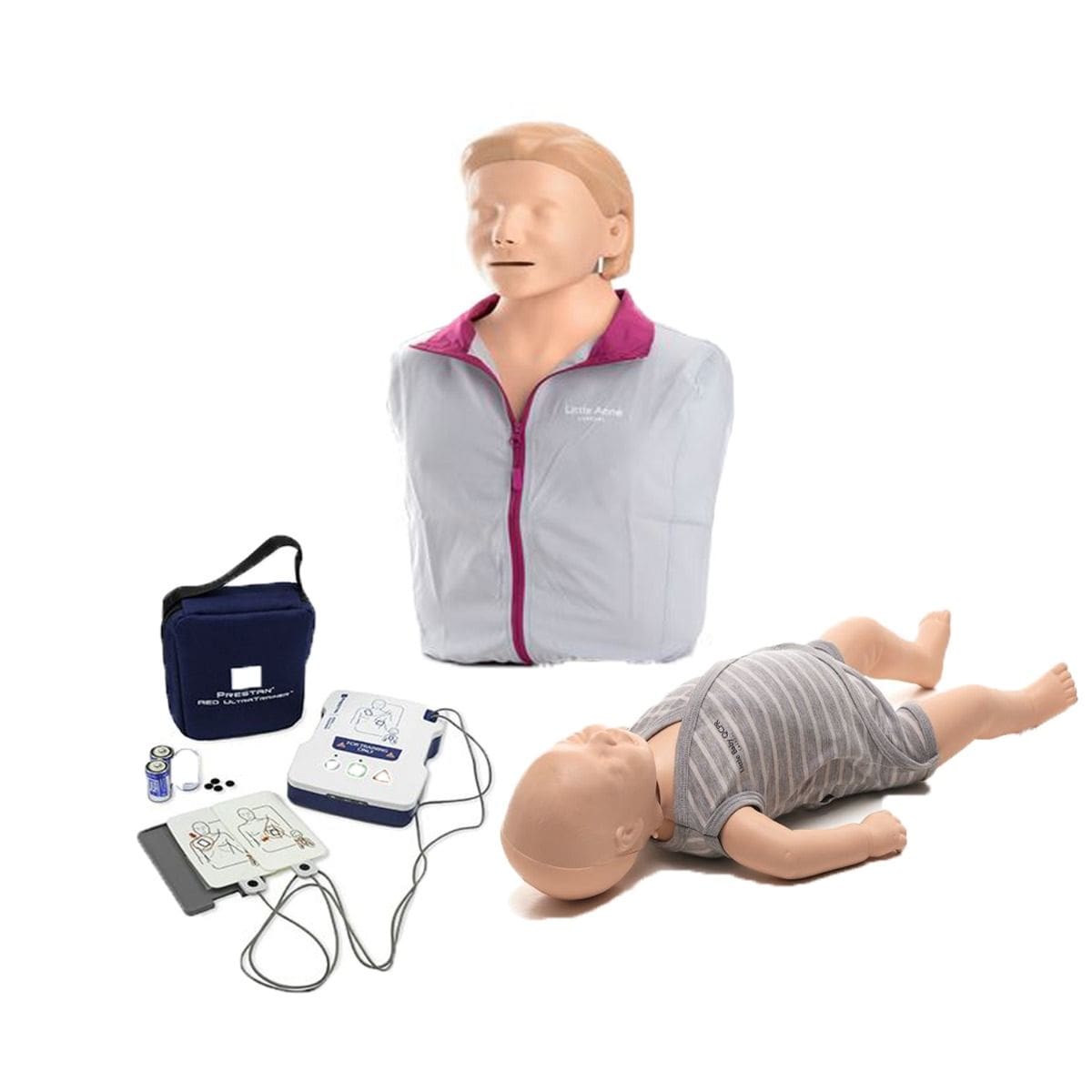
Your manikin fleet forms the literal backbone of your training business. You need a mix of adult and infant torsos to cover standard family first aid and workplace safety curricula. Look for units that feature clear visual indicators, such as built-in LED lights or digital app connectivity.
Here is that comparison table reformatted as clean, standard text so you can easily copy and paste it into your blog editor:
Standard Adult Training Fleet:
Infant Training Fleet:
These tracking systems let students self-correct their technique without you needing to hover over them constantly. This automated coaching speeds up the learning process and raises your overall certification pass rates. It also makes your classes feel modern and professional, which leads to excellent word-of-mouth referrals.

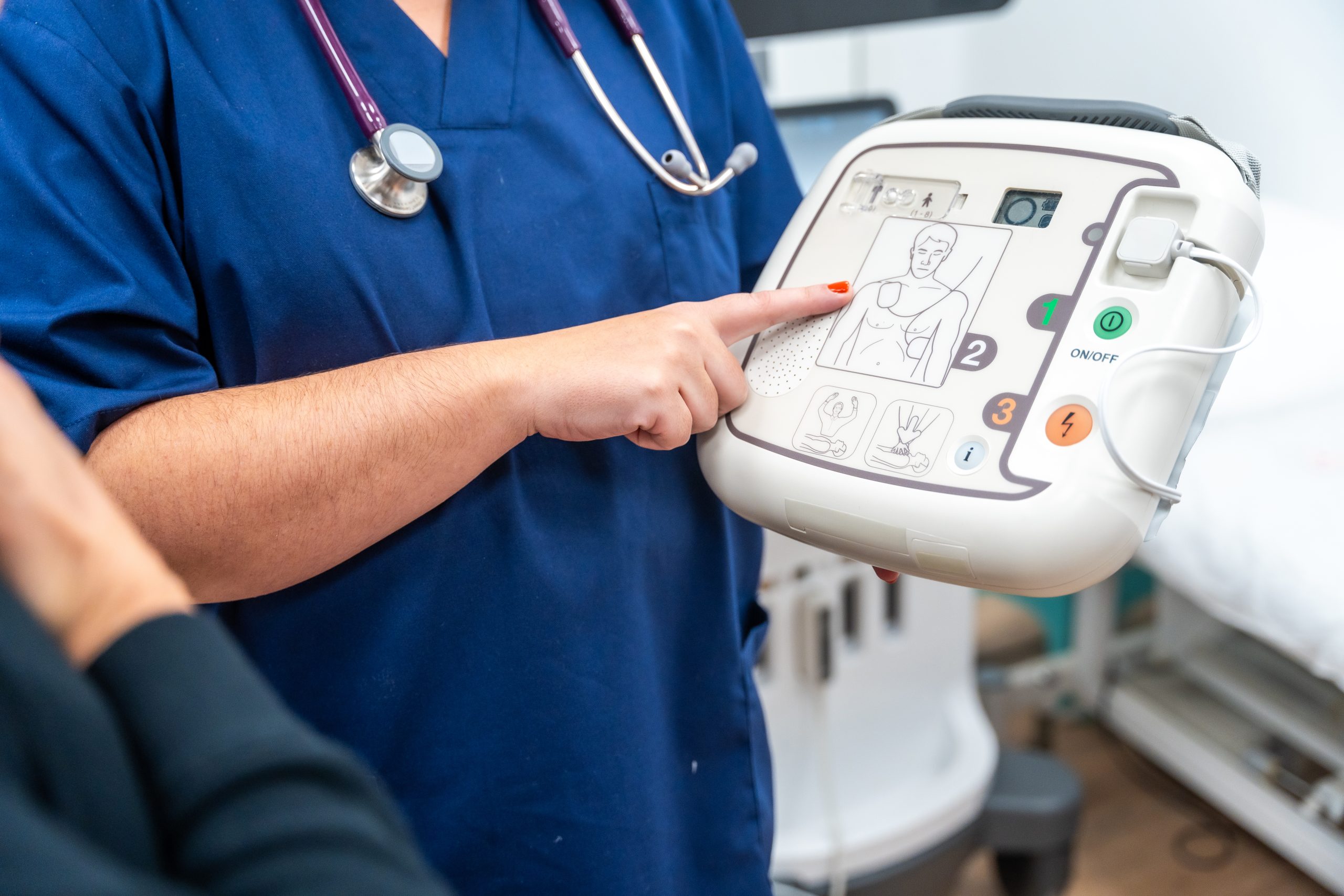
An automated external defibrillator trainer is an absolute necessity for modern courses. These machines do not deliver real shocks, but they mimic the exact look, voice prompts, and operation of live emergency units. A great trainer should offer multiple rescue scenarios so you can test how students react to different emergencies.
In Canada, your training equipment must support both English and French language options to accommodate diverse corporate clients. Look for universal units that feature clear speaker systems and replaceable adhesive pads. Having a trainer that can switch modes quickly allows you to jump from adult to pediatric scenarios without changing machines.
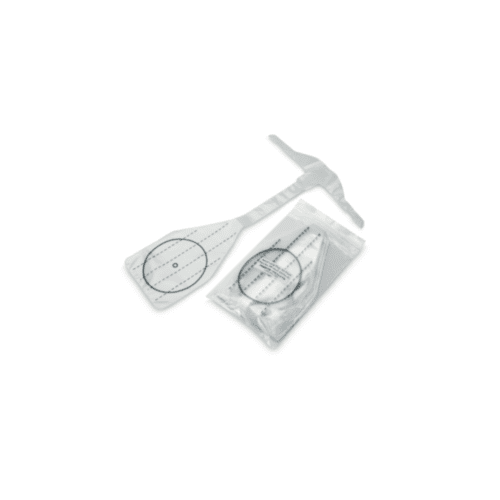
Hygiene and safety are paramount when running a public training class. You need an ample supply of pocket masks, face shields, and replacement lung bags to prevent cross-contamination. New instructors often underestimate how quickly they will burn through these consumable items during a busy month.
Managing these supplies carefully protects your core equipment investment and keeps your classroom environment perfectly sanitary. It also shows your clients that you run a clean, safe, and professional operation.
Most startup instructors do not begin with a permanent, dedicated commercial classroom. Instead, they operate as mobile businesses, traveling directly to corporate offices, community centers, and school gyms. This mobile model saves you massive amounts of rent money, but it introduces a major logistical hurdle.
You must carry all your training gear from your home to your vehicle, and then into the client’s facility. If your equipment is heavy, bulky, or poorly organized, this setup process becomes an exhausting physical chore. You can quickly burn out if you have to spend an hour hauling heavy boxes across a parking lot before every session.
When choosing your initial inventory, look closely at the total weight of the packages. Standard full-body manikins are heavy and take up massive amounts of storage space. For a mobile startup, lightweight torso options are almost always the superior choice.
Using compact, stackable designs reduces the physical strain on your body significantly. You can find high-quality systems that pack four complete adult torsos into a single, easily manageable carry bag. Protecting your physical health ensures you can maintain high energy levels during long teaching sessions.
Before purchasing any gear, measure the trunk and back seat space of your current vehicle. A standard fleet of heavy equipment can easily overwhelm a small sedan or compact SUV. You want an inventory setup that packs away neatly without blocking your rear-view mirror.
Mobile Packing Matrix:
Choosing space-saving designs allows you to load your vehicle in a single trip. Look for packages that feature custom-fitted transport bags with comfortable shoulder straps or built-in wheels. This minor details makes your arrival at a client’s site look smooth, fast, and completely effortless.
Sourcing your equipment from the wrong supplier can instantly destroy your startup budget. Many new entrepreneurs mistake random international discount sites for legitimate medical supply distributors. This choice often leads to shipping nightmares, missed deadlines, and unexpected financial penalties.
Working with a dedicated domestic supplier inside Canada protects your business from these operational risks. It ensures your products arrive quickly and meet all local safety guidelines. It also gives you access to real customer support when you need to reorder parts quickly.
Ordering heavy equipment from international suppliers might seem cheaper on paper, but the hidden costs add up fast. International shipments regularly face lengthy delays at the border, leaving you without gear for scheduled classes. You can also face unexpected border fees that erase your projected savings.
By buying directly from a Canadian distributor, the price you see is the price you pay. Your gear arrives via domestic couriers, eliminating customs delays entirely and keeping your launch schedule on track.
As your business grows, your equipment needs will evolve over time. You might start by teaching basic workplace safety classes and eventually expand into specialized programs. You might even decide to offer lifestyle courses, such as teaching First Aid for Dogs and Cats.
Having a reliable, long-term relationship with a domestic equipment supplier makes scaling your business simple. You can order replacement parts, extra lung bags, or new training units with a single phone call. This consistent support allows you to focus on growing your brand, booking new clients, and delivering exceptional safety training across your community.
If you are ready to view all-in-one inventory solutions for your new training business, explore our full collection of CPR instructor packages. Our team is always available to help you select the exact tools required to launch your business successfully while keeping your startup costs completely under control.
You need adult and infant feedback manikins, automated external defibrillator trainers, barrier masks, and dynamic first aid supplies. Purchasing these items in pre-made bundles helps reduce your initial startup costs.
A fleet of four adult and two to four infant manikins is the ideal size for most startups. This setup lets you teach small corporate groups efficiently without overloading your vehicle or budget.
No. Students typically share training units during interactive practice sessions. Having one automated external defibrillator trainer for every two to three students keeps your classes moving smoothly.
Feedback units feature electronic sensors that actively measure compression depth, pace, and chest release. Standard models lack these digital tracking systems and do not meet modern Canadian certification requirements.
For strict hygiene standards, you should replace the internal lung bags after every single class session. This practice prevents cross-contamination and keeps your training fleet perfectly clean for the next group.