Menu
Close

If you feel like the “moving goalposts” of safety regulations have finally shifted, you are right. As we navigate through 2026, the grace period for the previous 2017 standards has closed. The CSA Z1220-24 standard is now the active law of the land for Canadian workplaces.
Whether you are managing a high-rise in Toronto or a construction site in Vancouver, the baseline for “minimum protection” has evolved. For many safety managers, this creates a fresh compliance headache. Is your current kit suddenly illegal? While your sturdy metal or plastic cabinet is likely still fine, the contents inside almost certainly need an update to meet the 2026 legal requirements.
The shift to the CSA Z1220-24 standard was driven by modern trauma research. The goal was to ensure that a “basic” kit can handle a major arterial bleed or shock—scenarios that older kits often ignored.
The most significant 2026 requirement is the windlass-style arterial tourniquet. Under the old 2017 rules, these were optional or reserved for high-risk kits. Now, they are a mandatory requirement for all Type 2 (Basic) kits. This reflects a nationwide push to treat severe bleeding on-site before paramedics arrive.
Additionally, hygiene standards have been codified. Your kit must now contain specific quantities of 70% alcohol disinfectant hand wipes. If your kit only contains “stings-free” antiseptic wipes for wound cleaning, you will fail a 2026 safety audit.
“Confusion Over Type and Size” remains the primary reason Canadian businesses fail inspections. To meet your provincial first aid requirements, you must categorize your workspace into one of three CSA types:
After picking your Type, you must select a size (Small, Medium, or Large) based on the maximum number of workers physically present during a single shift.

Budgeting for safety is a constant struggle. Many business owners assume they have to scrap their entire inventory. The good news is that the CSA Z1220-24 standard is about what is inside the box, not the box itself.
You can achieve 2026 compliance by purchasing a First Aid Kit Refill designed for the new standards. This is a “people-first” approach that saves money and reduces waste.
When refilling, double-check your “Abdominal Pad” counts. The 2024/2026 transition increased the number of 5″ x 9″ pads required. For example, a “Large” Type 3 kit now requires six of these pads, ensuring you have enough material to manage multiple injuries simultaneously.
The regulatory environment in 2026 is stricter than ever. In Quebec, new amendments that came into force in February 2026 have lowered the threshold for mandatory first-aiders and standardized kit contents to align strictly with the new CSA standards.
In Ontario, the WSIB has officially transitioned training terminology. What used to be “Emergency First Aid” is now Basic First Aid, and “Standard First Aid” is now Intermediate First Aid. This alignment makes it easier for businesses to match their training to their kit type (e.g., a Type 3 kit requires an Intermediate First Aider).
If your team is due for recertification, be aware of the challenges businesses face booking first aid training during this high-demand transition year. Many providers are booked months in advance as companies scramble to meet the 2026 deadlines.
To pass an audit today, your kit must have these specific items that were often missing in older setups:
If you are missing just a few items, you can find them individually in our First Aid Supplies section to top up your existing kits.
Purchasing a compliant kit is only half the battle. The CSA Z1220-24 standard places the burden of “ongoing kit maintenance” squarely on the employer.
In 2026, inspectors are looking for documented proof of inspection. You should physically open every kit at least once every three months to check for:
If your site involves power tools, heavy machinery, or heights, a “Basic” kit is a liability. The Type 3 Intermediate kit is built for trauma.
A Type 3 kit contains more pressure dressings and splinting materials. In 2026, the focus has shifted toward “Active Trauma Care.” This means having enough supplies to manage a “worst-case” injury while EMS is in transit. Investing in a Type 3 Intermediate Kit shows a commitment to your team’s survival in the face of a major accident.
The 2026 standards also clarify where and how kits should be stored. Containers are classified by their durability:
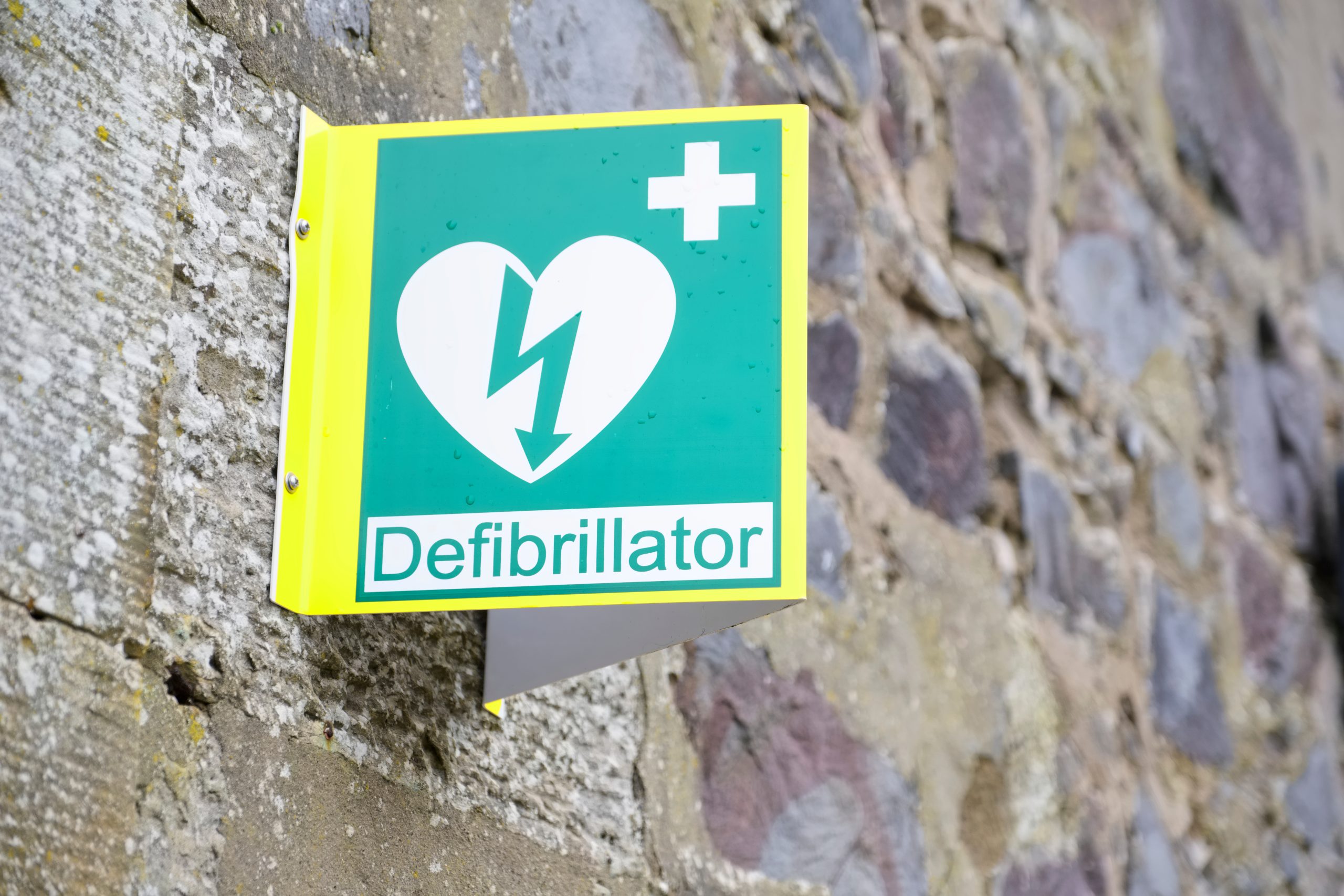
Remember, a kit is only compliant if it is visible. Ensure your first aid station is marked with a high-visibility sign and is never blocked by boxes or equipment.

Before your next safety meeting, do a quick spot-check:
If you answered “No” to any of these, your workplace is at risk of a compliance failure. Upgrading to the 2026 standard is a small price to pay for the safety of your people and the protection of your business.
Only if it has been retrofitted with the 2026 mandatory items, such as the windlass tourniquet and the correct quantity of 70% alcohol wipes. Most older kits will fail an audit without these additions.
The biggest change is the nationwide adoption of the CSA Z1220-24 contents, specifically the mandatory inclusion of tourniquets in basic workplace kits and the shift in training terminology to “Basic” and “Intermediate.”
Yes. In 2026, work vehicles are legally considered an extension of the workplace. A Type 1 Personal kit is usually sufficient for single-occupant vehicles, while larger crews require Type 2 kits.
Hygiene protocols have been updated to prevent the spread of pathogens between the rescuer and the victim. 70% alcohol is the standard for effective hand disinfection in a first-aid context.