Menu
Close

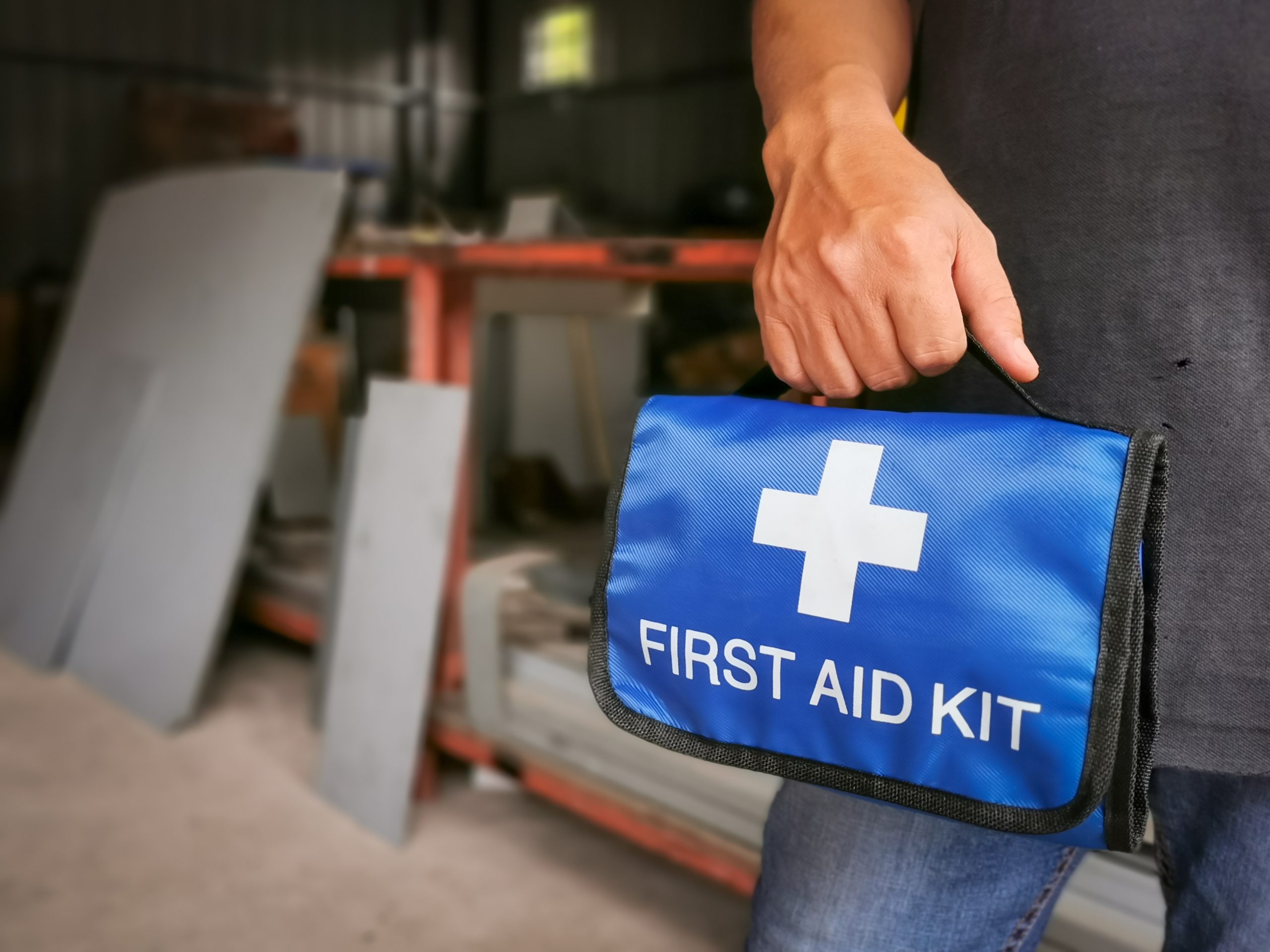
An emergency occurs on your warehouse floor, and a worker cuts their forearm on exposed metal. The designated responder runs to the wall-mounted cabinet, pulls open the door, and finds an empty box of sterile gauze pads and a pair of blunt shears. Moments like this expose critical breakdowns in safety planning.
Managing your workplace first aid station requires more than installing a plastic kit on the wall and forgetting about it. Safety leads, HR managers, and facility directors across Canada face constant pressure to maintain full compliance. Implementing a routine inspection routine ensures your team stays prepared while keeping your business ready for surprise regulatory checks.
Maintaining a compliant workplace first aid program protects your most valuable asset: your employees. It also shields your organization from financial penalties and operational downtime caused by safety violations.
Workplace safety inspectors check more than basic building exits during a site visit. They inspect first aid cabinets to verify that required items remain present, clean, accessible, and unexpired.
Canadian health and safety regulations mandate specific emergency supplies based on workplace risk levels and total worker headcount. Failing to maintain these items can result in immediate compliance orders or monetary fines from provincial inspectors.
Medical supplies degrade over time, especially when stored in areas subject to temperature swings or direct sunlight. Using degraded products during an injury response risks worker health and creates liability.

Uncontrolled supply loss leaves stations understocked when real accidents happen. Employees often treat central first aid boxes as convenient personal supply stores for minor, non-work-related needs.
Workers often take small items like adhesive bandages, headache tablets, or antiseptic wipes for home use or personal comfort. While minor on the surface, this steady trickle empties cabinets fast.
Certain items disappear much faster than others during typical work weeks. Monitoring usage patterns helps you spot unauthorized supply removal early.
Following a structured audit process eliminates guesswork and speeds up supply maintenance across all facility departments.
Start your audit by reviewing the physical area surrounding the first aid station. A fully stocked kit provides zero value if workers cannot reach it quickly.

Systematically inspect every single item inside the cabinet. Remove anything that fails visual inspection or passes its printed expiration date.
Compare your current inventory against the Canadian Standards Association (CSA) Z1210-17 standard for workplace first aid kits. Determine whether your site requires Type 1 (Personal), Type 2 (Basic), or Type 3 (Intermediate) kits based on employee headcount and hazard levels.
Record missing or expired items on your audit sheet, then order replacements right away. Do not wait for your next quarterly review to fill empty slots.
Building a complete safety program means maintaining reliable inventory across all company locations. Browse our dedicated first aid selection to find complete regulatory kits for your business.
To replace specific depleted items without buying entire new units, order individual items from our specialized first aid supplies catalog.
A healthy workplace culture also addresses mental well-being alongside physical injury prep. Learn how organizations support complete employee health by reading about psychological first aid self-care from the Canadian Red Cross.
Managing first aid inventory across multi-story office buildings, manufacturing plants, or remote work vehicles requires a clear management plan.
Maintaining clean, compliant first aid stations protects your workforce, keeps your facility ready for regulatory checks, and saves money through smart inventory control.
Audit your workplace first aid stations at least once per month. Conduct additional checks immediately after any workplace injury incident to replace used items right away.
CSA Standard Z1210-17 defines requirements for workplace first aid kits across Canada. It categorizes kits into Type 1, Type 2, and Type 3 based on workplace environment and hazard levels.
Yes, replacing individual expired or used items is cost-effective and compliant. As long as individual components meet CSA standards and remain sterile, you do not need to replace the entire cabinet.
Employers must assign a trained employee, such as a health and safety officer or floor warden, to inspect, clean, and maintain first aid kit inventory regularly.