Menu
Close

First aid instructors and simulation lab coordinators face a continuous challenge during back-to-back training sessions. You must wipe down equipment quickly between student rotations while keeping gear completely sanitary. Reaching for cheap antibacterial wipes or strong industrial solvents seems like a smart way to kill germs fast.
Unfortunately, using the wrong chemical wipe causes a frustrating chemical reaction. Over time, torsos develop a tacky surface that collects dust, hair, and dirt. Understanding the chemistry behind soft vinyl skins helps you protect your gear, lower supply costs, and maintain professional classroom standards.
Soft medical simulation skins rely on specific polymer blends to recreate realistic human tissue. Manufacturers use polyvinyl chloride (PVC) or soft vinyl compounds for chest plates, face skins, and jaw assemblies. Pure PVC is naturally rigid and brittle, similar to household plumbing pipes.
To make the plastic soft and supple, manufacturers blend in chemical additives known as plasticizers. These compounds sit between polymer chains, allowing them to slide smoothly when students perform chest compressions or practice rescue breathing. Rigid PVC provides the structural shape, while added plasticizers give vinyl a soft feel. However, contact with harsh chemicals causes plasticizers to leach out to the surface, resulting in sticky, tacky, and discolored skin.

During manufacturing, plasticizers lock inside the vinyl matrix. They give adult, child, and infant torsos their lifelike recoil and skin texture. Because these additives are not permanently bonded on a molecular level, exposure to harsh liquid cleaners forces them out of the plastic matrix.
When strong chemicals touch soft vinyl, they strip away surface oils and draw plasticizers out from deep within the skin. This movement is called plasticizer migration. As additives pool on the exterior surface, they react with oxygen, leaving behind a sticky film that cannot be washed away with water.
Inexpensive grocery store wipes and industrial degreasers contain solvents designed for hard ceramic or stainless steel. When applied to soft medical training gear, these aggressive chemicals destroy the vinyl matrix. Improper cleaning wipes strip plasticizers, leaving training torsos sticky and discolored.
Rubbing alcohol is a staple in medical settings, but high concentrations ruin training equipment:
Undiluted chlorine bleach and nail polish removers containing acetone cause immediate chemical damage. Acetone dissolves vinyl on contact, turning smooth skin rough. High bleach concentrations strip color pigments, causing discolored CPR manikin skin that looks aged and worn.
Classroom equipment condition directly shapes student trust. When participants kneel down for mouth-to-mouth ventilation practice, sticky or discolored gear creates hesitation. Clean, well-maintained training gear builds student confidence during ventilation practice.
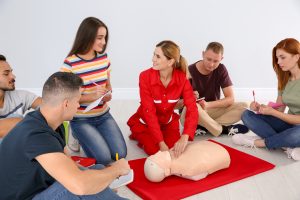
Harsh solvents dry out vinyl, creating microscopic surface cracks. These tiny fissures collect residual oils, skin cells, and moisture. Once bacteria settle into micro-cracks, standard surface wipes cannot reach them, making effective sanitization nearly impossible.
Students expect hygienic equipment. Torsos with clean skins look professional and reassure participants during hands-on practice. High-quality instruction relies on knowledgeable instructors who maintain pristine classroom gear. Learn more about instructor standards by reviewing why quality instructors choose professional equipment on Life Start Training.
Protecting equipment requires a consistent sanitization routine that kills pathogens without destroying soft plastic.
Follow these steps during fast class turnarounds:
At the end of each training day, give your equipment a thorough wash:
Replacing damaged equipment strains training budgets. Understanding when to fix individual parts versus replacing complete units helps control operational costs. Swapping damaged airway components saves money compared to buying completely new simulation units.
When harsh cleaners leave a face skin sticky or stained, you do not need to throw away the entire torso. Swapping out worn face skins and lung connectors restores full function for a fraction of the price.
If your advanced trainers suffer chemical wear, source quality airway manikin replacement parts to fix damaged connectors, teeth, and vocal cord modules.
If internal plastic housings crack or structural connectors snap, component replacement may no longer solve the issue. In those cases, upgrading your training fleet ensures compliance with current educational guidelines. Explore full simulation systems across our complete line of airway training manikins.
Canada’s climate creates extra challenges for plastic maintenance. Cold weather makes chemically stripped vinyl rigid and fragile.
Using mild cleaning solutions and storing equipment properly preserves your investment and ensures your gear remains ready for every training session.
A mild soap and warm water solution is ideal for daily deep cleaning. For quick turnarounds between students, use a 70% isopropyl alcohol wipe or a gentle quaternary ammonium disinfectant spray.
Sticky skin occurs when harsh chemicals leach plasticizers out of soft vinyl. Avoid acetone, high-concentration alcohol, or pure bleach to prevent this damage.
Once plasticizers migrate to the surface, the chemical damage is permanent. Washing with dish soap may temporarily reduce stickiness, but replacing the face skin is the best solution.
Bleach is safe only when highly diluted (one tablespoon of non-scented chlorine bleach per gallon of water). Undiluted bleach causes discoloration, skin drying, and cracking.
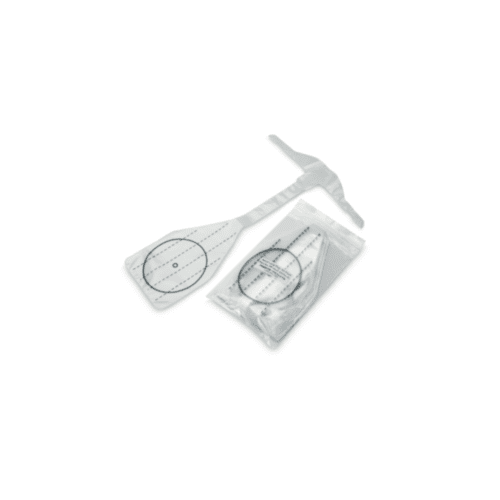
Replace lung bags after every training session or between students if face barriers are not used. Fresh lung bags maintain sanitary airflow and protect internal housings.