Menu
Close

Ontario business owners are currently facing new safety mandates that require a high level of preparedness. As of January 1, 2026, the provincial government has updated the Occupational Health and Safety Act to include stricter requirements for lifesaving equipment on job sites. Specifically, Ontario Regulation 157/25 dictates that many construction projects must now have an automated external defibrillator (AED) readily available.
For many small to medium-sized businesses, this represents a significant upfront cost. Fortunately, the WSIB AED Reimbursement Program was designed to alleviate this financial pressure. This initiative allows qualifying employers to recover up to $2,500 of the cost of an AED, essentially making the path to compliance much more affordable.
The decision to mandate AEDs on construction sites comes from a clear need to improve survival rates for sudden cardiac arrest (SCA) in high-risk environments. Construction sites often present unique challenges for emergency medical services (EMS) due to restricted access or remote locations. Having an AED on-site allows for immediate intervention, which is the most critical factor in surviving a cardiac event.
While the regulation is a positive step for worker safety, the timing and expense have caused stress for project managers. Understanding how to leverage the AED rebate for Ontario businesses 2026 is the best way to meet these legal obligations without straining your company budget. This funding is not just a suggestion; it is a dedicated resource to help you protect your team.

To know if you qualify for the rebate, you must first understand if you are legally required to have the equipment. The regulation focuses on construction projects that meet specific criteria. If your project is expected to last at least three months and has 20 or more workers regularly employed, an AED is mandatory.
This worker count includes all subcontractors and tradespeople on the site, not just your direct employees. If you fall into this category, you must ensure the AED is easily accessible and that there is a trained person available to use it. Failing to meet these standards can result in heavy fines, making the WSIB funding an even more attractive prospect for business owners who want to stay on the right side of the law.
The WSIB AED Reimbursement Program is quite broad, but there are strict timelines you must follow. To be eligible for the $2,500 rebate, your business must be a WSIB-insured employer. You must also be in good standing with the board, meaning your premiums are up to date and your safety records are clear.
The purchase window is the most critical part of the application. The program specifically covers AEDs purchased between July 1, 2025, and June 30, 2027. If you bought a unit before this window, it likely will not qualify for this specific pool of funding. However, for those looking to upgrade their gear or outfit a new site in 2026, the timing is perfect.
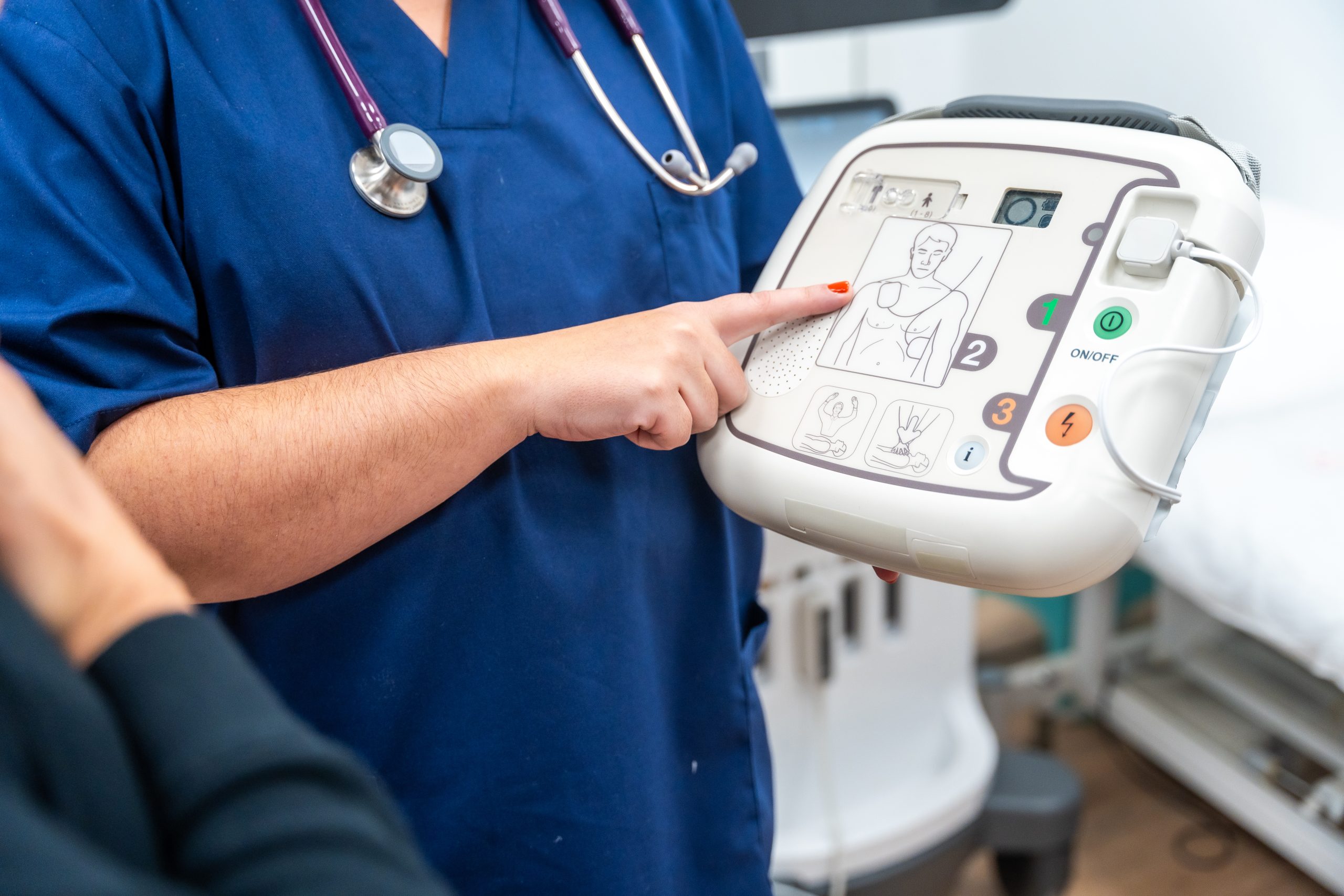
One common source of confusion is the type of equipment that qualifies. The WSIB and Health Canada are very specific about the hardware. You cannot simply buy any portable defibrillator found online. The device must be Health Canada-licensed to ensure it meets national safety and efficacy standards.
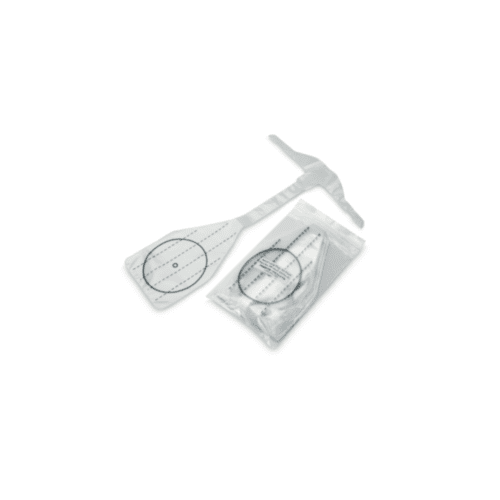
When you are ready to shop, looking through a verified AED collection is the safest way to ensure your purchase is eligible for reimbursement. Using non-licensed equipment not only puts your staff at risk but will also lead to a rejected rebate application. You should also ensure the unit includes a “rescue kit”—this typically contains a razor, scissors, gloves, and a mask—as these are often required for a complete setup under the new regulation.
The $2,500 maximum is generous enough to cover the majority of high-quality AED models available today. For example, popular models from Zoll, HeartSine, or Philips generally fall within the $1,500 to $2,300 range. When you factor in the reimbursement, your business could end up with a top-of-the-line lifesaving device for a net cost of zero.
It is important to keep every receipt and proof of payment. The WSIB requires a clear paper trail that shows the date of purchase, the model name, and the serial number of the unit. If you are outfitting multiple construction projects, you may be eligible for multiple reimbursements, provided each project meets the worker count and duration criteria set by the province.
The application process is handled through the WSIB’s online portal. Once you have purchased your equipment, you will need to log in to your employer account. You will look for the section dedicated to the AED funding program and upload your documentation.
While the paperwork can seem daunting, the WSIB has worked to make the portal relatively straightforward. They want businesses to use this money to improve safety. If you find the technical specifications of the AED models confusing, you can contact CPR Depot for a consultation on which units are best for rugged environments like construction sites.
Buying the hardware is only half of the battle. An AED is most effective when people feel confident using it. Many community initiatives emphasize the importance of early defibrillation. For instance, programs supported by organizations like Hydro One through the ACT Foundation have been instrumental in getting training into schools and workplaces across Ontario.
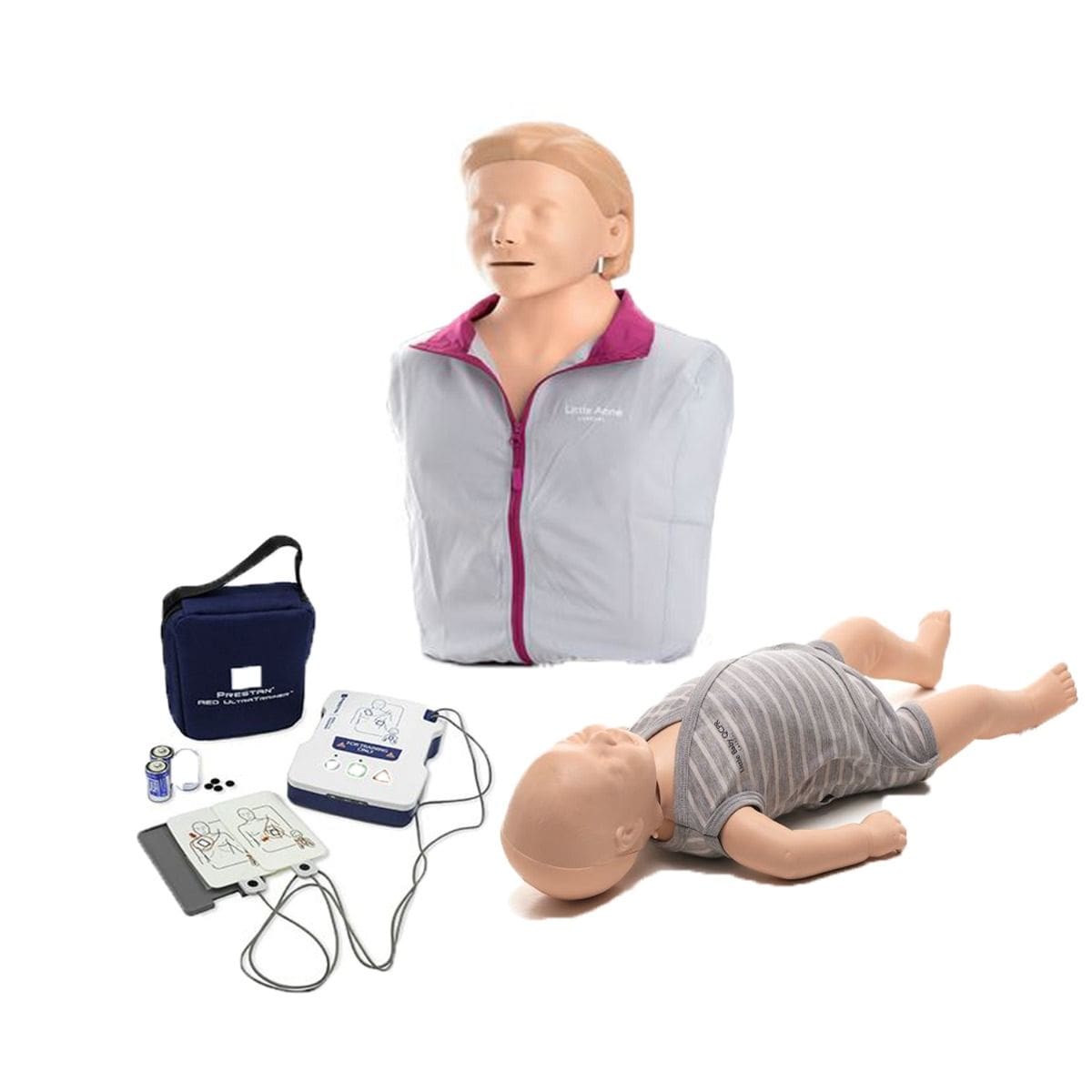
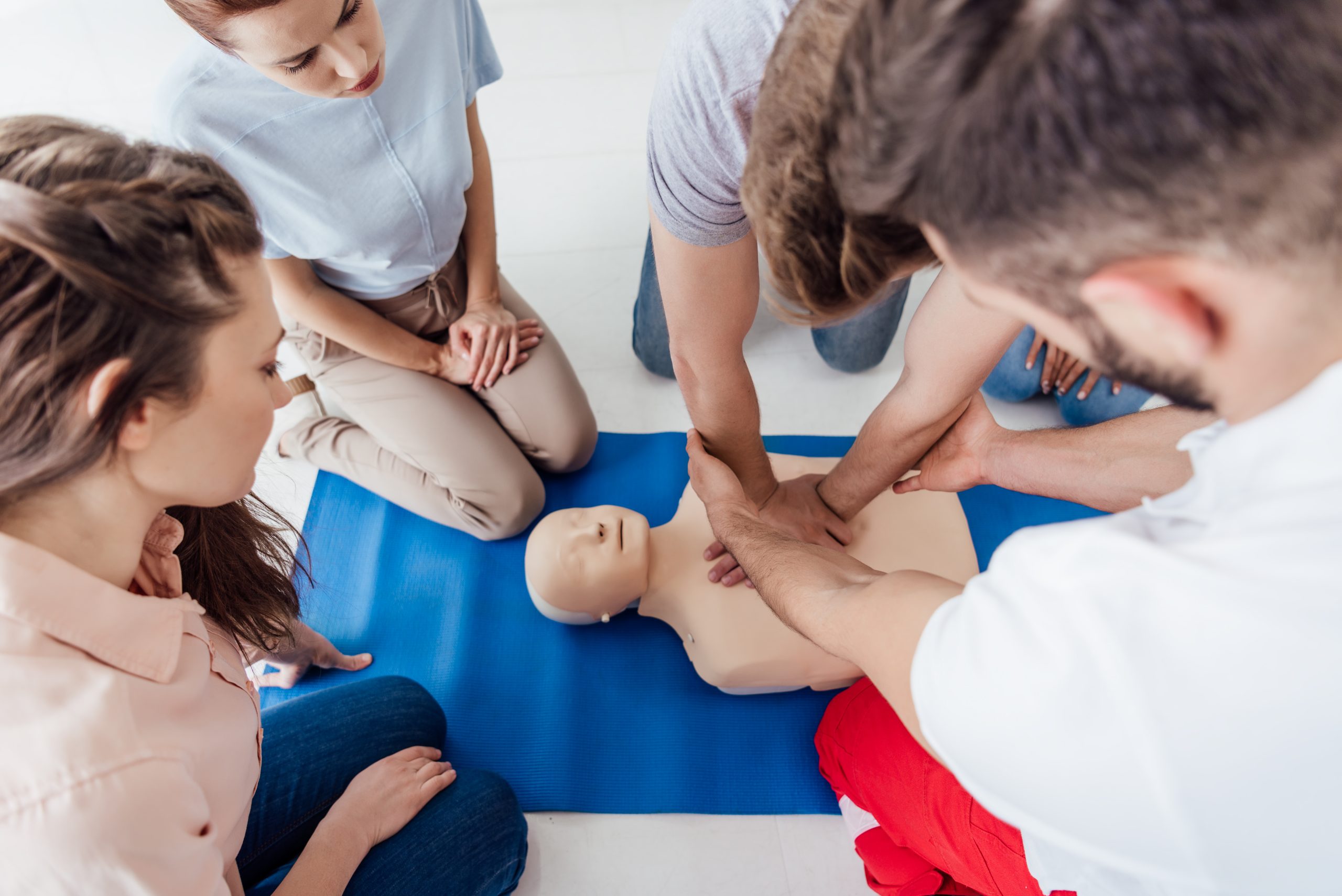
Your business should follow this lead by integrating AED training into your regular first aid certifications. When a worker knows that the machine will guide them with voice prompts, the “fear factor” disappears. This confidence is what saves lives during those first four minutes of a cardiac emergency before paramedics arrive.

A major pain point for many business owners is the belief that an AED is a “money pit” due to ongoing maintenance. While it is true that pads and batteries have expiry dates, the costs are minimal when spread over several years. Most batteries last between four to five years, and pads typically need replacement every two years or after use.
When you consider the $2,500 WSIB rebate, you can often use the “leftover” funds from the purchase of a mid-range unit to buy a spare set of pads. This ensures your site remains compliant and ready for an emergency without any additional out-of-pocket spending for several years. It is a one-time investment that pays dividends in safety and peace of mind.
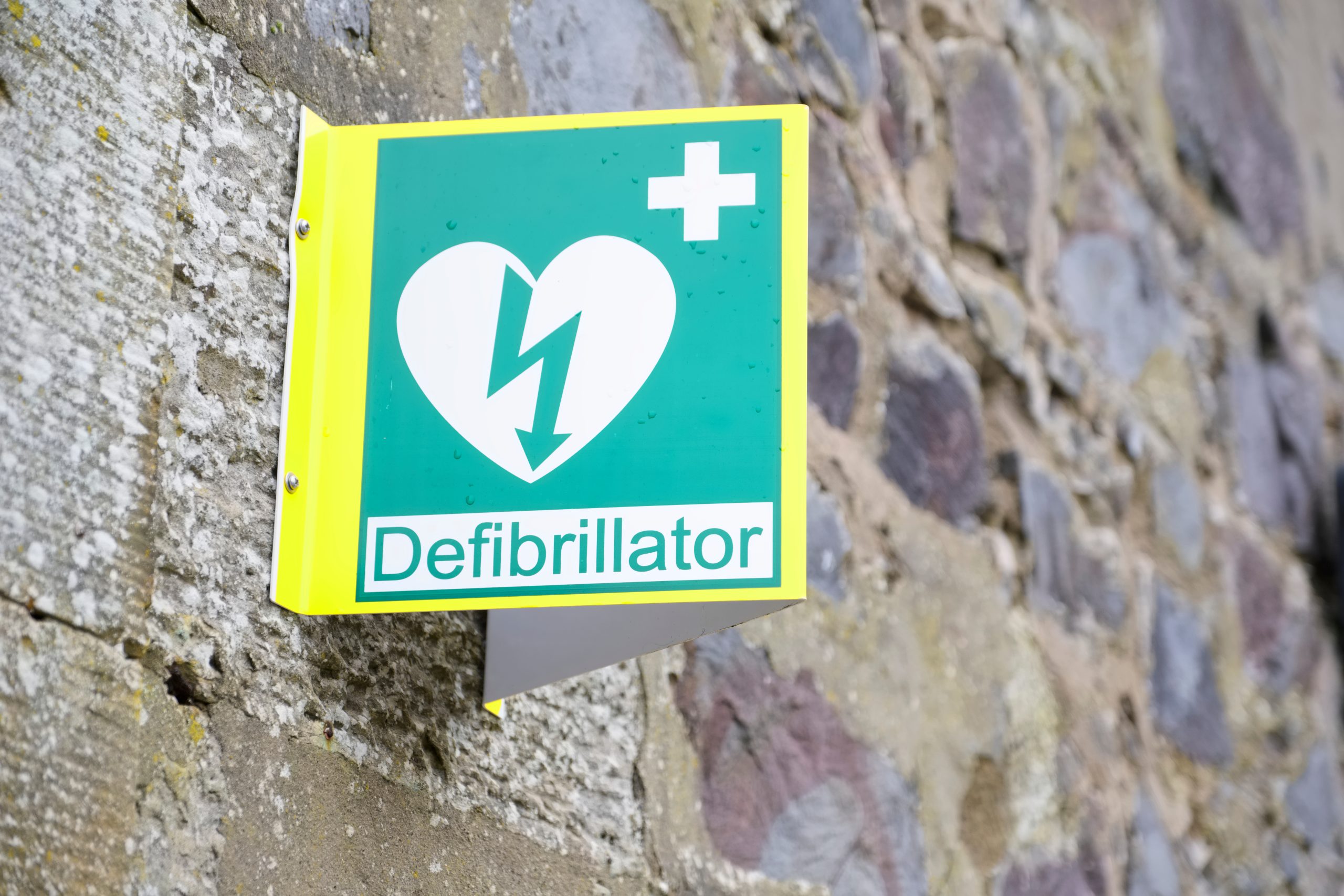
Under Regulation 157/25, the AED must be “readily available.” On a sprawling construction site, this means more than just having it in a locked trailer at the edge of the property. It should be in a central, high-visibility area. Many contractors use weather-rated cabinets or high-visibility carrying cases to protect the unit from dust and moisture while keeping it accessible.
If your site has multiple levels or separate structures, consider the “three-minute rule.” Could a worker reach the AED and get back to a casualty within three minutes? If not, you may need additional units. Since the WSIB program allows for multiple claims per employer (for different qualifying projects), you have the financial support to ensure every worker is within reach of a defibrillator.
The 2026 mandate is already in effect. Every day your site operates without a required AED is a day of legal and financial risk. With the WSIB AED Reimbursement Program currently active, there is no longer a financial excuse to delay. The program is first-come, first-served based on the available budget, so applying early ensures your funds are secured.
Protecting your workers is your highest priority. By taking advantage of this rebate, you demonstrate a commitment to safety that goes beyond mere compliance. You are building a culture of care that values human life above all else.
What happens if I bought my AED in early 2025? The current WSIB reimbursement window began on July 1, 2025. Purchases made before this date are generally not eligible for this specific 2026 funding pool. Always check your invoice date before starting an application.
Do I need to be a construction company to get the rebate? While the mandate focuses on construction, the WSIB funding is often accessible to a wider range of insured employers who can demonstrate a need for the equipment. However, priority is given to those meeting the Regulation 157/25 criteria.
How long does it take to receive the WSIB money? Processing times vary, but most employers see their reimbursement within 6 to 10 weeks of a successful application, provided all documentation is correct and the employer is in good standing.
Can I buy a used or refurbished AED and still get the rebate? No. To qualify for the $2,500 funding, the equipment must be new and Health Canada-licensed. Refurbished units do not meet the criteria for this specific program.
Is training included in the $2,500 reimbursement? The program primarily targets the hardware costs (the AED and the initial pads/battery). While some training costs may be covered under different WSIB safety grants, this specific rebate is focused on the equipment.