Menu
Close

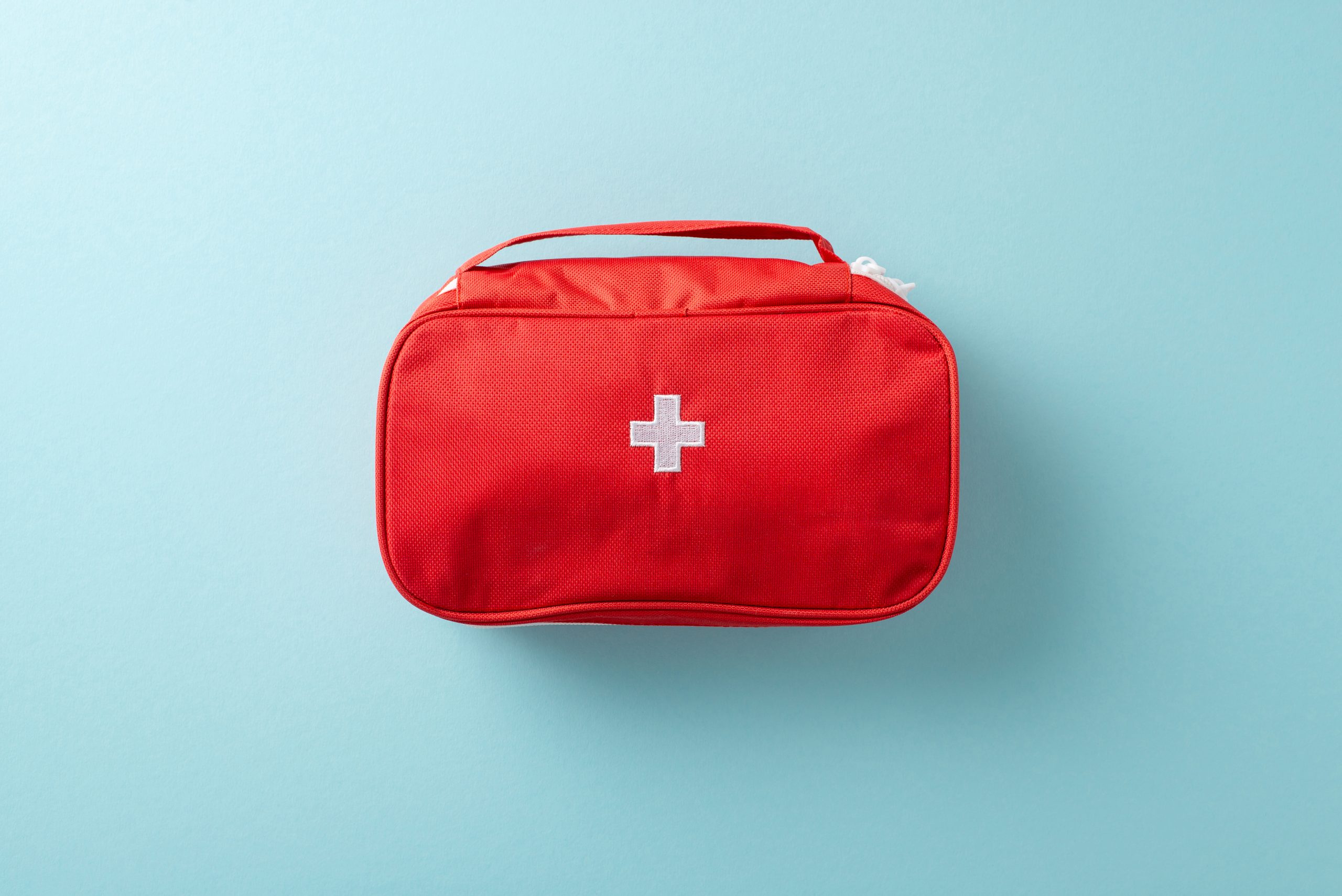
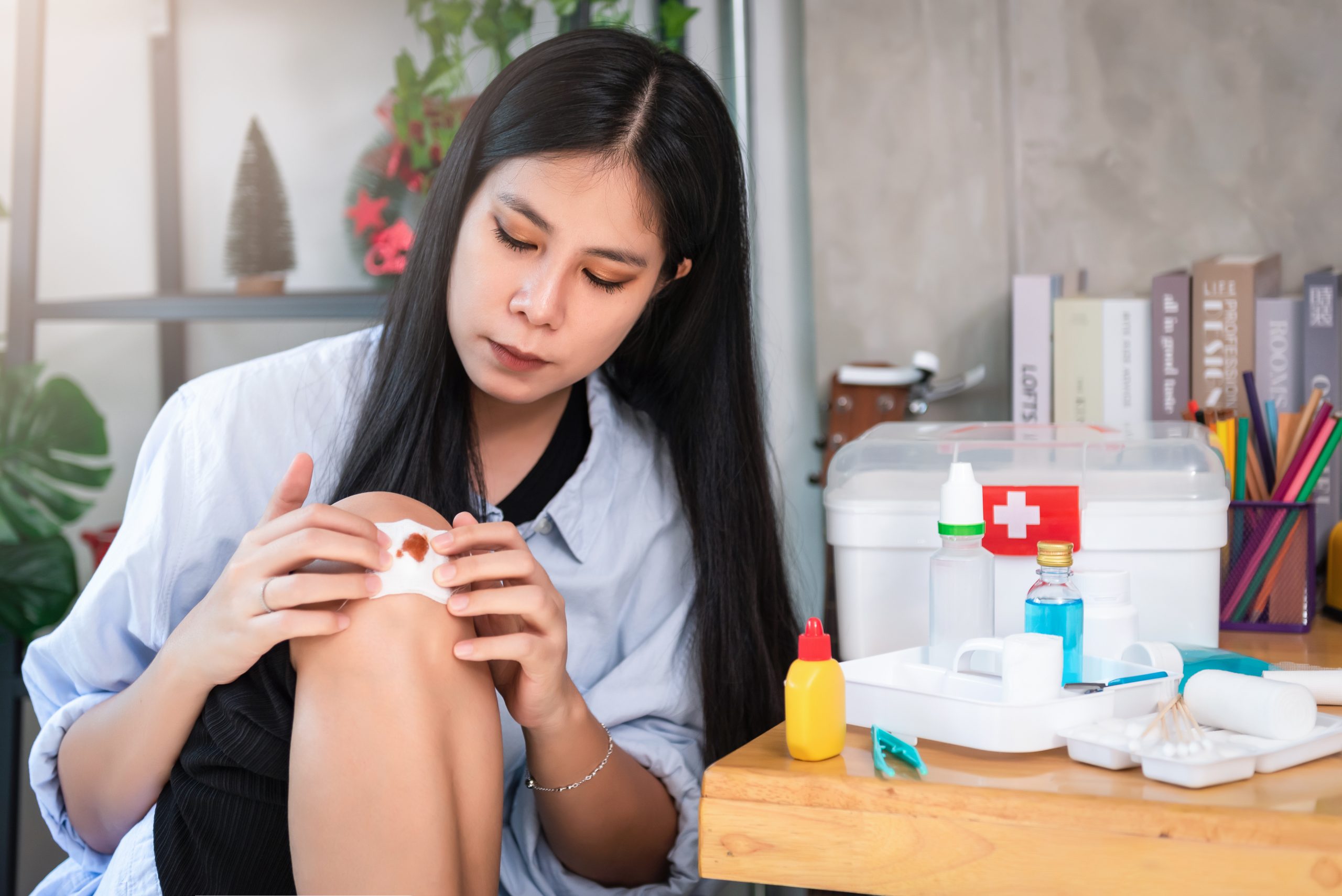
Every parent knows the feeling of a sudden “thud” followed by a split second of silence and then a scream. Whether it is a scraped knee from a backyard fall or a more serious choking scare at the dinner table, your reaction time depends on the tools you have within reach. Most Canadians believe they are prepared because they own a plastic box with a red cross on it. Unfortunately, many find that when a true emergency strikes, their home first aid kit is woefully inadequate.
The search for the right safety gear usually begins with good intentions. You walk into a big-box retailer and grab a “comprehensive” 100-piece kit. It feels heavy and looks full. However, once you open it, you realize that 80 of those pieces are tiny plastic bandages that won’t even stay on a sweaty toddler. This leads to what we call the “Kitchen Sink” confusion. You have a lot of items, but very few of them are the right items for a high-stress medical event.
Retailers design kits for the average person, but “average” does not account for the specific needs of a household with children. A kit stuffed with safety pins and cheap plastic tweezers provides a false sense of security. In a real crisis, you do not need a hundred bandages. You need high-quality first aid supplies that function properly under pressure.
Many parents realize too late that their kit lacks the specialized tools required for pediatric care. If your child is struggling to breathe, a standard adult-sized oxygen mask or CPR barrier will not create the necessary seal on a small face. This is where the concept of “one size fits all” falls apart. True preparedness means having gear tailored to the smallest members of your family.
Children are not just small adults. Their physiology is different and their skin is more sensitive. Using adult-grade medical tape on an infant can cause skin tears. Using an adult CPR mask on a toddler can result in ineffective ventilations. To truly protect your family, you must look for essential first aid supplies for families that address these physical differences.
A critical addition to any home setup is a pediatric pocket mask. These masks are designed to fit the contours of a child’s face, ensuring that if you ever have to perform rescue breaths, the air actually goes into their lungs rather than escaping out the sides. It is an investment that provides peace of mind that a generic kit simply cannot offer.
Beyond masks, consider the bandages you use. Kids are constantly moving. Standard bandages fall off within minutes of play. Professional-grade cohesive bandages stick to themselves but not to skin or hair. This makes them perfect for active children who find traditional adhesive bandages painful or annoying.
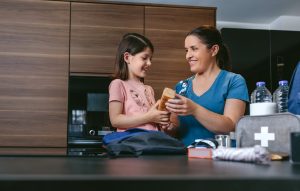
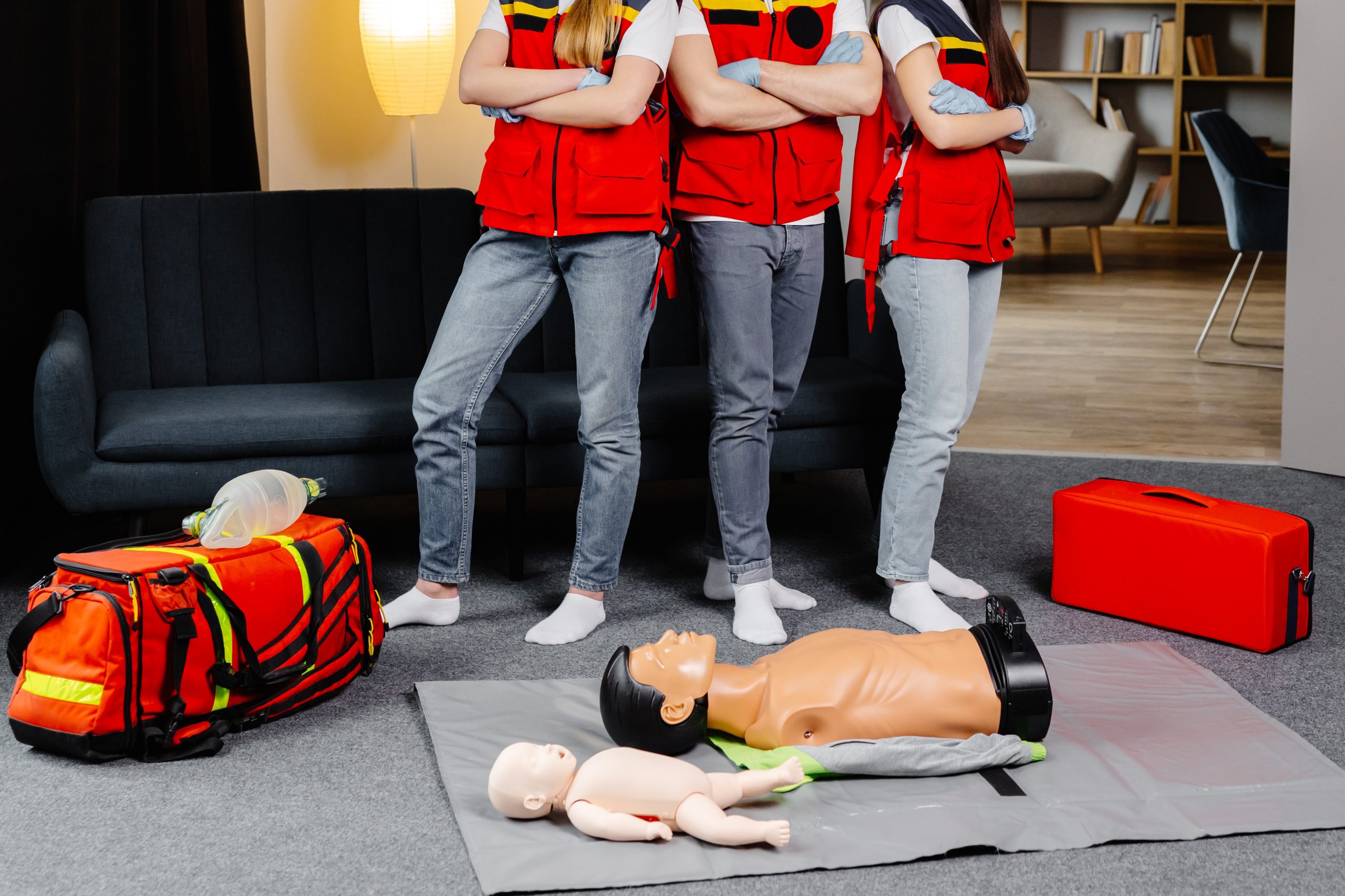
Emergency situations are chaotic. When your child is injured, your adrenaline spikes, your heart races, and your fine motor skills diminish. This is known as realistic scenario stress. If your first aid kit is a jumbled mess of loose pills and tangled gauze, you will struggle to find what you need.
Organization is a safety feature. A professional-grade kit should have clear compartments that allow you to see your supplies at a glance. You should not have to dig through a mountain of cotton balls to find your trauma shears. High-quality shears are another often-missed item. They allow you to cut through clothing quickly to assess an injury, which is much safer and faster than using household scissors.
According to experts at KBPACC, having a designated spot for your kit and ensuring everyone in the house knows where it is constitutes the first step in home safety. This includes babysitters and grandparents who may be looking after your children.
For many Canadians, the “home” kit also serves as the “cottage” kit. If you spend your summers in Muskoka, the Kawarthas, or remote parts of British Columbia, your needs change drastically. In the city, an ambulance is usually five to ten minutes away. At the cottage, you might be waiting thirty minutes or longer.
This isolation requires a more robust approach to first aid. You need more than just supplies for minor cuts. You need tools to manage significant bleeding and fractures until help arrives. This includes items like splints that can be molded to a child’s limb and triangular bandages for stabilization.
If you are near water, your kit should also be stored in a waterproof bag. Moisture is the enemy of medical supplies. It ruins the adhesive on bandages and can cause sterile packaging to fail. A dry, organized kit is a reliable kit.
There are several technical items that rarely make it into standard retail kits but are essential for parents.
A first aid kit is not a “set it and forget it” item. Over time, the materials inside degrade. Ointments can separate, medications lose potency, and even the plastic in bandages can become brittle.
We recommend a six-month audit. A great way to remember this is to check your kit whenever you change your clocks for daylight savings. Open every compartment. Check the expiry dates on everything. If a sterile seal is broken, throw the item away and replace it.
This is also a good time to check your “Equipment Familiarity.” Do you remember how to use the pocket mask? Do you know how to apply a pressure bandage? Taking five minutes to review your supplies ensures that you won’t be reading instructions for the first time during an actual emergency.
Your family deserves better than a box of cheap bandages. By identifying the gaps in your current setup—specifically looking for pediatric-sized gear and trauma-grade tools—you take a massive step toward real safety.
Don’t wait for an accident to realize your kit is missing the essentials. Take the time today to look through your supplies. If you find that your kit is lacking, or if you are starting from scratch, we can help.
Check your supplies, organize your gear, and ensure your home is a safe place for your children to play and grow. If you need help choosing the right pediatric gear or high-grade supplies, our team is ready to assist.
What should I look for in a home first aid kit for kids? Focus on pediatric-sized items like smaller CPR masks, painless antiseptic sprays, and cohesive bandages that do not pull on sensitive skin.
Do first aid kits expire? Yes. Most items like ointments, wipes, and bandages have expiry dates. Sterile items are no longer guaranteed to be clean once the packaging passes its expiry or becomes damaged.
Where is the best place to keep a first aid kit at home? Keep it in a cool, dry place that is easily accessible to adults but out of reach of very small children. The kitchen or a central hallway is usually best. Avoid bathrooms as the humidity can ruin supplies.
How often should I check my supplies? A thorough audit should be performed every six months. Replace any used or expired items immediately to ensure the kit is always ready.