Menu
Close

In 2026, simply having a plastic box with adhesive bandages is no longer enough for many Canadian businesses. As federal and provincial regulations shift toward the CSA Z1220-24 standard, the “regulation maze” has become a serious hurdle for safety officers. If your team operates in high-risk sectors like mining, forestry, or heavy construction, your gear needs to do more than cover a scratch. It needs to manage critical trauma until help arrives.
Understanding exactly what belongs in a professional first aid kit is the first step in protecting your people and your bottom line. An advanced kit is designed specifically for “less accessible” environments where an ambulance might be hours away. Here is how to build or buy a kit that meets 2026 legal requirements while providing genuine life-saving utility.
The transition to the latest Canadian Standards Association (CSA) guidelines has redefined workplace readiness. Under these rules, kits are classified as Type 1 (Personal), Type 2 (Basic), or Type 3 (Intermediate/Advanced). Most high-hazard environments now require a Type 3 kit at minimum.
These standards focus on the “hazard rating” of your specific work activities rather than just your headcount. If your assessment shows a risk of arterial bleeding or respiratory failure, your kit must reflect that reality. For those still wondering about the basics, it helps to understand why many people ask do you really need CPR certification alongside this high-level equipment. The gear is only as effective as the person using it.
While a standard kit handles minor cuts, an advanced kit focuses on “Killers in the First 10 Minutes.” These are the items that stop catastrophic bleeding and clear blocked airways.
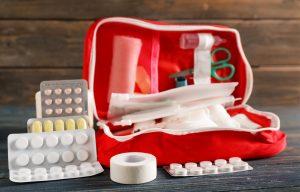
For companies working in Canada’s remote north or deep forest, the cost of an emergency is measured in time. When the “Golden Hour” of trauma care is stretched to two or three hours, your kit must include sustaining equipment. This often includes a portable oxygen therapy unit.
A standard Type 3 kit usually integrates with an oxygen tank, regulator, and non-rebreather mask. Having a pulse oximeter on hand allows the first aider to monitor blood oxygen levels accurately. This data is critical when communicating with telehealth doctors or flight paramedics during a medevac. This level of preparation prevents the panic that occurs when basic supplies run out long before the helicopter arrives.
One of the biggest frustrations for safety managers is finding a kit full of expired items during a snap inspection. Advanced supplies often have shorter shelf lives than standard gauze. For instance, hemostatic agents and glucose tabs can expire in 2–3 years.
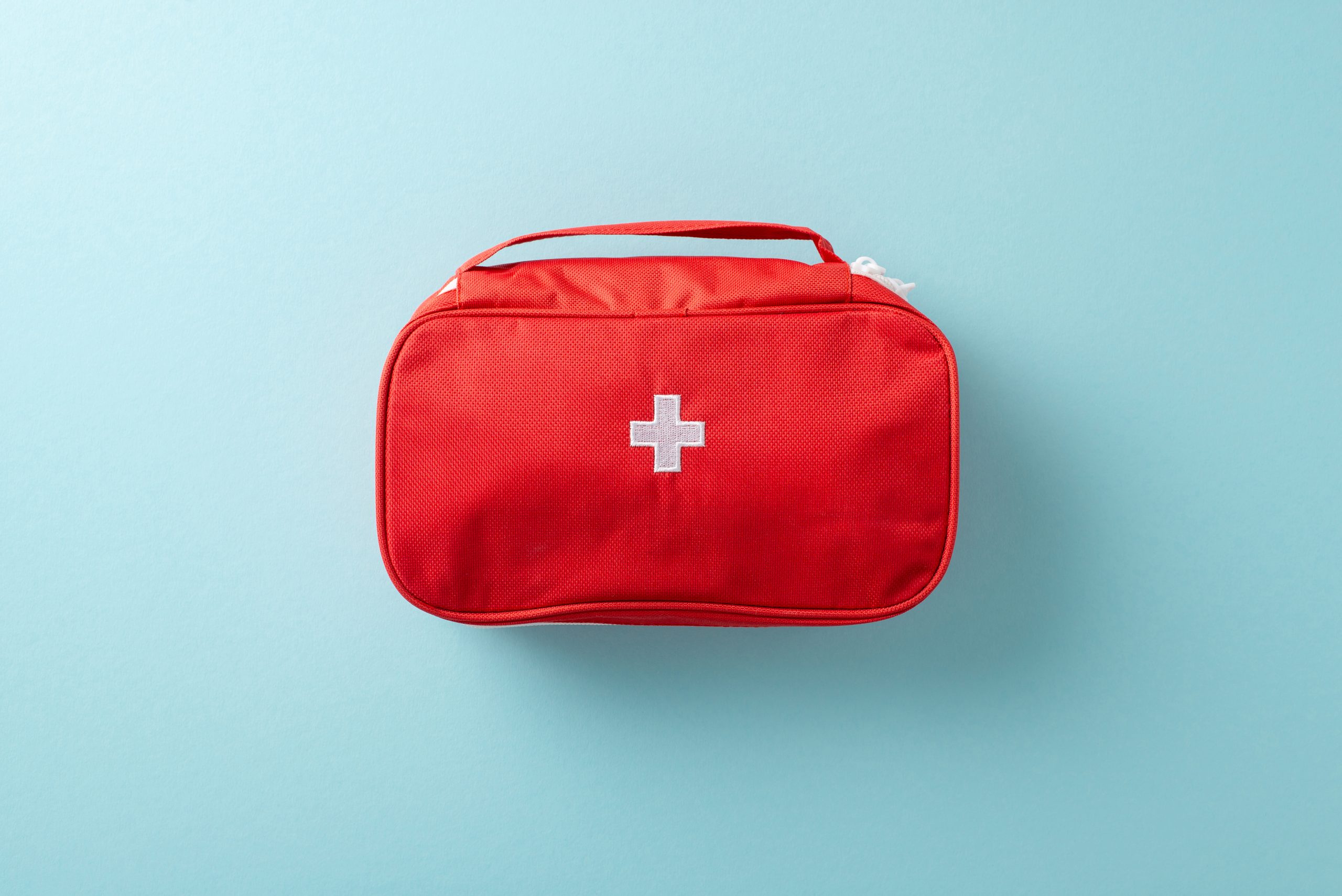
To manage this, professional kits should be organized into modular, color-coded pouches. This makes it easy to see what is missing at a glance. Instead of digging through a “tackle box” style kit, a modular nylon bag allows for quick inventory checks. We recommend a quarterly inspection schedule where a dedicated safety lead signs off on a physical card inside the kit. If you find your gear is consistently out of date, contacting a specialist for a restocking program can save hours of administrative work.
Recent updates have added specific items that were previously considered “optional.” Every advanced kit should now contain a reliable source of glucose as recommended by Diabetes Canada. This is no longer just for known diabetics; it is a critical tool for managing shock and exhaustion in extreme Canadian weather.
Additionally, emergency mylar blankets must meet a minimum size of 132cm x 213cm to ensure they can fully wrap a patient to prevent hypothermia. In the Canadian cold, preventing “The Lethal Triad” of trauma (hypothermia, acidosis, and coagulopathy) is just as important as stopping the bleed. Your kit should also include high-grade trauma shears capable of cutting through heavy work denim or winter jackets.
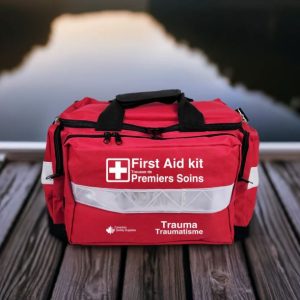
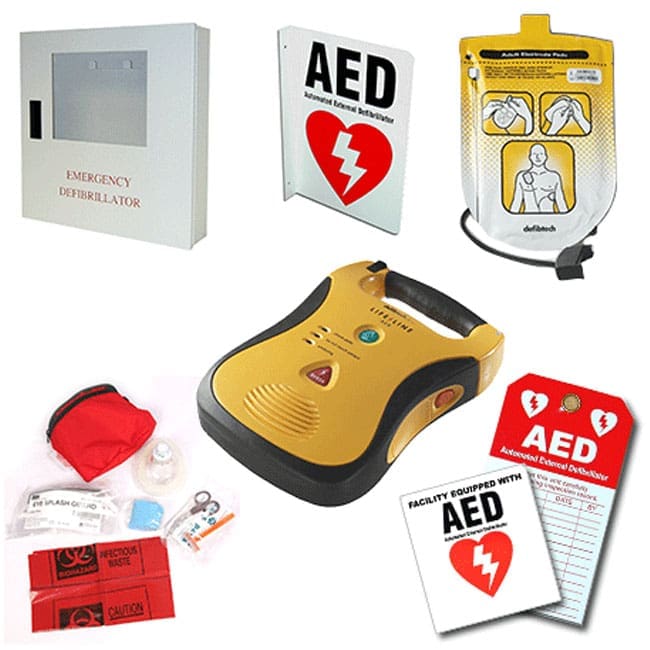
An advanced kit is useless if the contents are crushed or water-damaged. For fixed locations like warehouses or factories, a wall-mounted metal cabinet is the best choice. It stays visible and protected from dust.
However, for field work, a weather-resistant nylon bag or a hard-shell “Pelican” style case is better. These cases protect sensitive electronics like pulse oximeters and suction units from the vibrations of a truck bed or the humidity of a coastal worksite. Ensure your case is clearly marked with high-visibility “FIRST AID” signage that remains legible even in low-light conditions.
What is the difference between a Level 2 and Level 3 kit in Canada? While names vary by province, a Level 3 (or Advanced) kit includes everything in a Level 2 (Intermediate) kit plus equipment for airway management, oxygen therapy, and advanced patient assessment tools like blood pressure cuffs and stethoscopes.
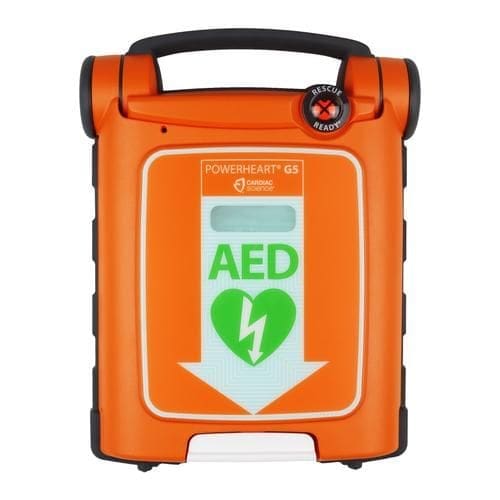
Does my Ontario construction site need an advanced kit? If you have more than 200 workers, or if your site is high-risk and remote, you likely need a first aid room and advanced supplies. As of 2026, many larger sites are also required to have an AED on-site to meet Bill 30 requirements.
How many advanced kits do I need for 50 people? Under CSA Z1220-24, 50 workers in a high-risk environment usually requires one “Large” Intermediate/Advanced kit or two “Medium” kits distributed across the site.
Can I build my own advanced kit? You can, but it is often more expensive and difficult to ensure compliance. Pre-assembled kits from a reputable supplier come with a “Certificate of Compliance” which is vital for OHS audits.
How do I dispose of expired medical supplies? Items like used needles (from glucose testing) must go in a sharps container. Expired bandages and gauze can often be used for non-certified training, but expired medications or oxygen tanks require professional disposal via a pharmacy or medical waste service.