Menu
Close

If you run training in Canada, choosing between water-rescue manikins and standard CPR manikins can feel like guesswork. You know you need realistic practice, but you also have a budget to protect. The last thing you want is to buy an expensive manikin that never leaves the storage closet.
The good news is that you do not have to guess. When you understand a few key differences in design, weight, realism, and durability, it becomes much easier to match the right manikin to your training program.
This guide breaks down six key features that separate water-rescue manikins from standard CPR manikins so you can invest with confidence.
Canadian training programs face unique conditions:
Organizations like the Lifesaving Society, recognized as Canada’s lifeguarding expert, set aquatic safety and training standards that influence how real-world rescues should look.
At the same time, NFPA 1006-based technical rescue courses, like those referenced by Access Rescue Canada, focus on water, flood, and ice-rescue skills for fire and rescue personnel.
If your manikins cannot perform in these environments, your team will not get realistic practice—and that can show up during a real emergency.
Quick disclaimer: This article is general guidance, not a replacement for official training standards or manufacturer instructions. Always confirm requirements with your authority having jurisdiction and product documentation.
Before we look at features, it helps to be clear on who needs what.
You probably need mostly standard CPR manikins if you:
You likely need one or more water-rescue manikins if you:
Most Canadian programs end up with a mix: standard CPR manikins for core resuscitation skills and water-rescue manikins for lifeguard and rescue scenarios.
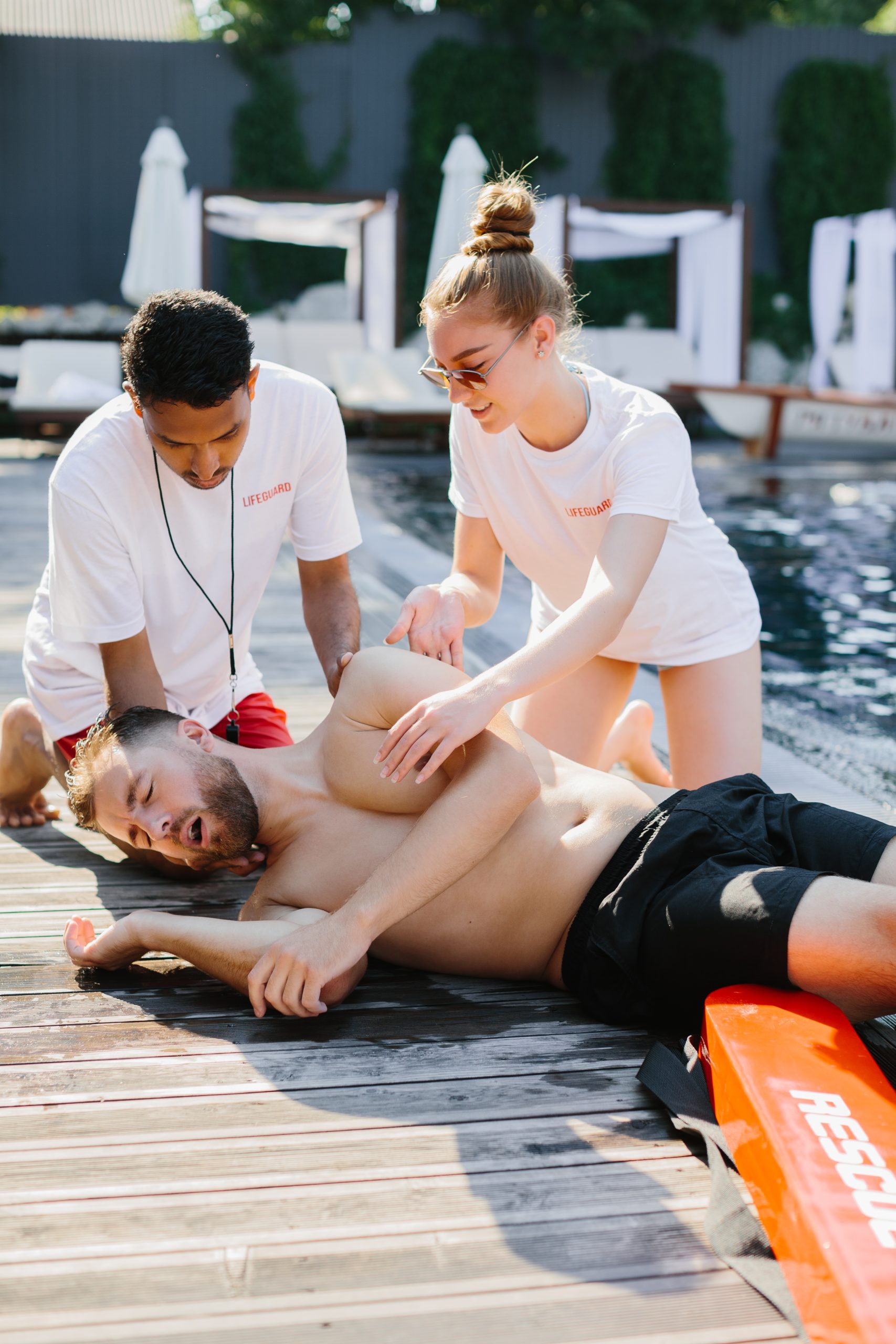
Water-rescue manikins are built to be used in:
They can be towed, submerged, and recovered repeatedly. Many are engineered to handle rough handling, whether that’s dragging along a dock or being lifted into a boat.
Standard CPR manikins, on the other hand, are designed primarily for dry, stable surfaces:
They focus on chest compression and ventilation practice, not being thrown into a lake. Using a standard manikin in water will usually void warranties and damage the internal components.
Ask yourself: Where do most of your critical scenarios happen—on land, in and around water, or both?
A major difference is how each manikin behaves when moved.
Water-rescue manikins:
This helps lifeguards and rescuers experience the real effort required to locate, secure, and move a victim.
Standard CPR manikins:
For programs that emphasize search, reach, tow, and extrication, water-rescue manikins are usually essential. For programs focused on compression depth and rate, CPR manikins do the job.
Canada’s climate is hard on equipment. Think about:
Water-rescue courses based on NFPA 1006 standards highlight that responders must train in realistic environments using appropriate gear.
Water-rescue manikins are typically built with:
Standard CPR manikins use high-quality plastics and internal mechanisms more suited to indoor environments. They are durable in classrooms but not designed for ice, rocks, or repeated submersion.
If your scenarios include ice-rescue drills or shoreline training, a water-rescue manikin is usually the safer long-term investment.
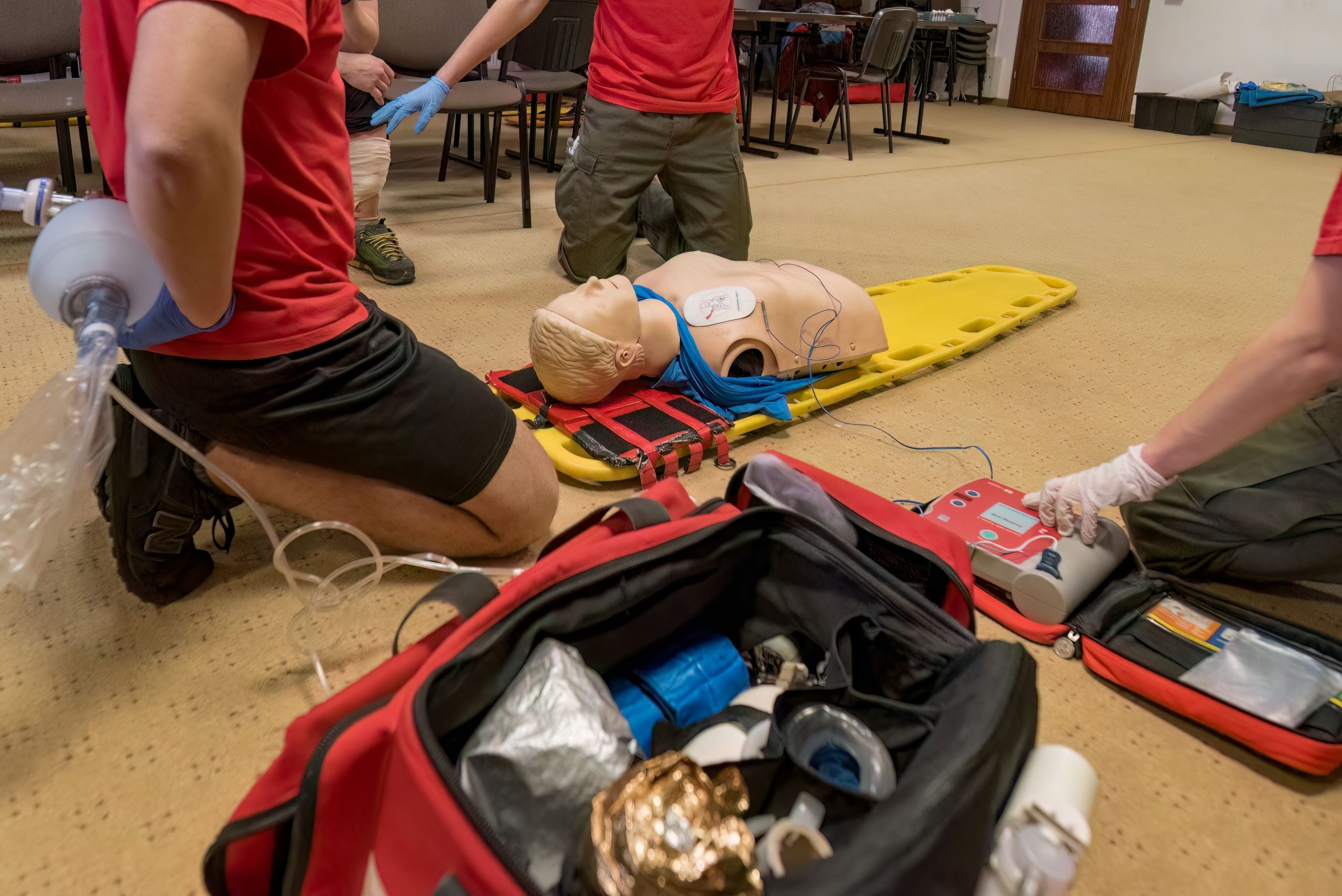
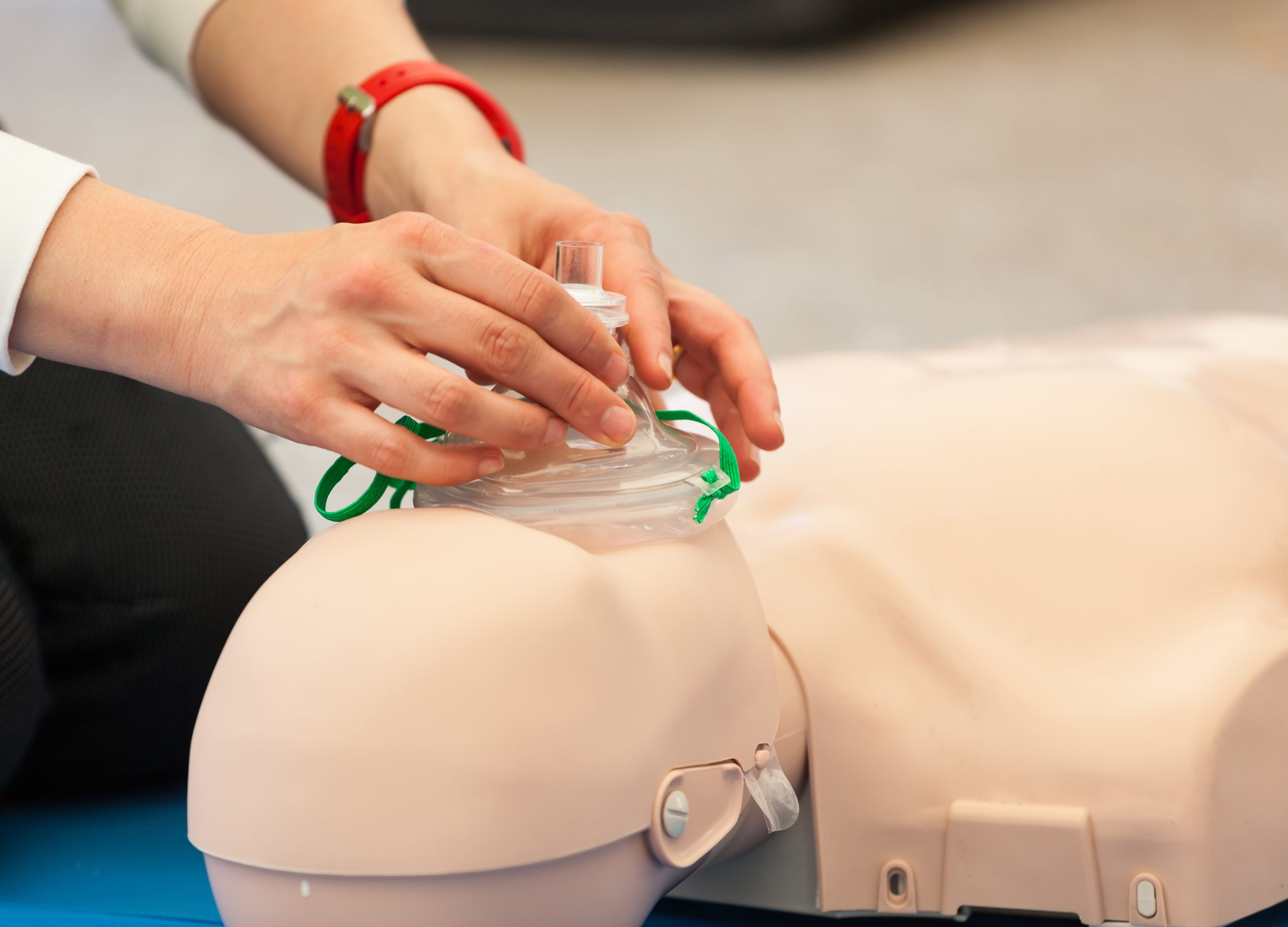
Standard CPR manikins often include:
These features align with CPR training guidelines and help learners practice high-quality compressions and ventilations.
Water-rescue manikins, by contrast, usually:
If your primary goal is to train CPR performance, you need standard CPR manikins. If your core goal is victim location, approach, and extrication in water, water-rescue manikins are the better fit.
Many Canadian training programs use both: water-rescue manikins for the rescue phase and CPR manikins for land-based resuscitation drills.
Water-rescue manikins require:
Technical rescue training organizations recommend post-exercise cleaning and inspections for all water-exposed gear, including manikins, to extend lifespan and maintain safety.
Standard CPR manikins usually:
If your team is already stretched on staff time, it’s worth being realistic about maintenance. One or two water-rescue manikins might be manageable, while twenty could overwhelm your turnaround window.
Budget is often the biggest stress point.
Water-rescue manikins tend to cost more up front because of their size, materials, and specialized design. But they can provide years of value if they are used regularly in:
Standard CPR manikins are more affordable per unit and ideal when you need several for large CPR classes.
To stretch your budget:
Access Rescue Canada, for example, offers NFPA 1006-based surface and swift-water rescue programs that highlight the importance of realistic training equipment. You can see more about their water safety and rescue training here:
https://accessrescuecanada.org/water-safety-and-rescue
This type of external course can help you justify manikin purchases as part of a broader technical-rescue strategy.
Rescue manikins are one piece of a broader readiness plan. To support real incidents, teams also need:
Organizations like the Lifesaving Society and provincial fire guidance notes emphasize that water and ice-rescue incidents carry significant drowning and hypothermia risk.
When you match your manikins, first aid kits, and safety gear to your most likely incidents, your training feels more relevant and your team feels more confident.
Here is a simple decision path you can share with your team:
This approach keeps you focused on real-world needs, not just a product list.
Choosing the right mix of CPR manikins Canada can feel overwhelming, especially when you are balancing realism, standards, and cost.
CPR Depot Canada can help you:
Learn more about the full range of training gear at CPR Depot Canada.
Ready to talk through your specific program needs? Reach out through Contact to get personalized recommendations for your Canadian training environment.